What is a Riad?
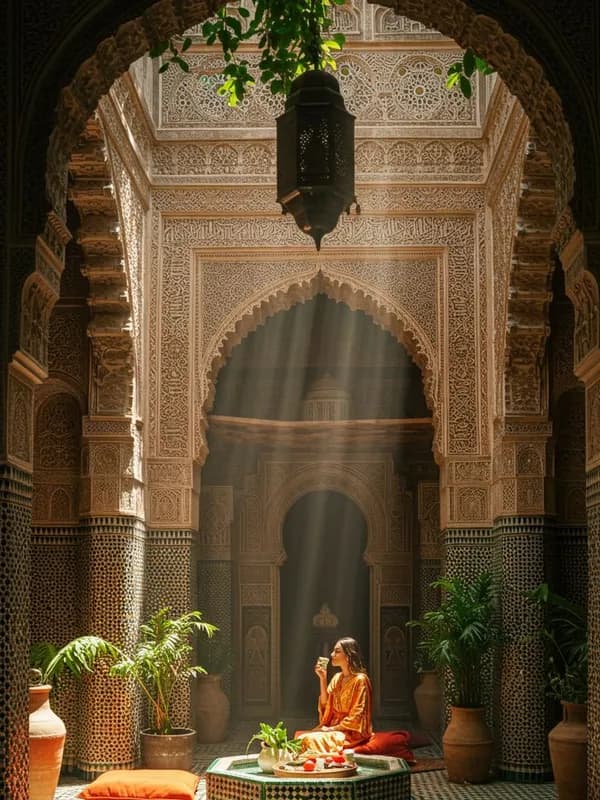
A riad is a traditional Moroccan house built around a central courtyard or garden. The word comes from the Arabic riyad meaning “garden.” In the medinas of Marrakech, Fez, and Chefchaouen, families have converted these homes into guesthouses that keep the original plasterwork, carved wooden doors, and zellij tile mosaics intact. When you step inside, the first thing you notice is the cool shade of the courtyard, often punctuated by a fountain that regulates temperature during the scorching summer months.
How a Riad Differs From a Hotel
- Check‑in flexibility – Riads are used to early breakfasts and late departures because guests arrive on foot from nearby souks or after a day‑long desert trek. The staff will usually accommodate a 7 am breakfast if you let them know the night before.
- Personalized transport – Most riads have a standing relationship with local petit‑taxi drivers and CTM or Supratours bus operators. They can arrange a pick‑up at the train station (ONCF) or the airport without you having to haggle on the street.
- Meal quality – The cooks live on‑site and source vegetables from the same market you’ll visit for spices. A dinner served on a low‑table in the courtyard often outshines the buffet at a chain hotel.
- Scale – Rooms are typically modest; a double room may be the size of a studio apartment. Expect a private bathroom but not a separate sitting area.
Levels of Riads: 3‑Star, 4‑Star, 5‑Star
Understanding Different Levels helps you match price with expectation.
| Star | Typical Features | Who It Suits |
|---|---|---|
| 3‑Star | Basic plaster walls, simple tilework, shared bathroom in older properties, limited Wi‑Fi. | Backpackers, short stays, travelers on a shoestring budget. |
| 4‑Star | Restored zellij, individual marble bathrooms, rooftop terrace with city views, optional spa services. | Couples seeking romance, cultural tourists who want comfort without extravagance. |
| 5‑Star | Full restoration, designer‑crafted furniture, in‑house hammam, gourmet restaurant, concierge service that can book private guides. | Luxury seekers, honeymooners, travelers who expect a hotel‑like service level but within a historic setting. |
When you read a listing that simply says “luxury riad,” ask for clarification on bathroom type, Wi‑Fi reliability, and whether the rooftop is private or shared.
What to Expect Inside
- Courtyard – The heart of the riad. Expect a fountain, potted palms, and a tiled floor that stays cool underfoot. Evening meals are often served here under lantern light.
- Rooftop Terrace – Most 4‑star and 5‑star riads offer a terrace with panoramic views of the medina walls or the Atlas foothills. Reply Amanda Williams raves about rooftop terraces that let you watch the sunset over Marrakech while sipping mint tea.
- Tile Work – Intricate zellij patterns cover walls, stair risers, and sometimes the ceiling. Riana Ang‑Canning’s comment about “design… I just want to take all the tiles home” captures why travelers linger over the mosaics.
- Breakfast – A spread of fresh Moroccan breads, olives, honey, and strong coffee served on a low table. Expect it at 7 am if you’ve arranged it; the staff will bring it to your door.
- Spa & Hammam – Only 4‑star and above typically have a dedicated hammam. Riad Melhoun & Spa in Marrakech includes a steam room and a massage therapist who can tailor a treatment to your travel fatigue.
Picking a Good Riad: Practical Checklist
- Location Relative to Attractions – If you plan to spend most of your day in the souks, choose a riad within a 5‑minute walk of Jemaa el‑Fna. For a quieter night, a riad on a side street off the main square reduces street noise.
- Star Rating Verification – Ask the owner which star level they consider themselves. A 4‑star riad will proudly display individual marble bathrooms and a rooftop terrace.
- Food Reputation – Inquire whether the kitchen prepares traditional tagine and couscous daily. A riad that serves meals to non‑guests indicates confidence in its cooking.
- Staff Language Skills – English‑speaking staff can help you navigate the medina, arrange a guide, and explain the etiquette of haggling.
- Safety Measures – Look for solid locks on the door, a well‑lit corridor, and a front desk that can contact a police station if needed. Solo travelers especially appreciate a staff that knows the best routes back to the riad after dark.
- Reviews Mentioning Flexibility – A comment like “They handle early breakfasts, flexible check‑ins” signals a riad that understands the rhythm of Moroccan travel.
- Rooftop Access – If sunrise photography is on your agenda, confirm that the terrace opens before 6 am. Some riads lock the roof after dark for security.
Top Picks for the Best Riads Morocco
Below are three riads that consistently meet the checklist above and have been highlighted by seasoned travelers.
-
Riad Melhoun & Spa – Marrakech
set a short stroll from the main market, this riad offers a private spa, marble bathrooms, and a rooftop that overlooks the Koutoubia Mosque’s minaret. Guests praise the morning mint tea served on the terrace. -
Riad Salam – Fez
Located inside the old medina walls, Salam blends 17th‑century woodwork with modern comforts. The courtyard features a central fountain, and the on‑site chef prepares a tagine that draws locals even after hours. -
Riad Nila – Chefchaouen
Perched on the blue‑washed lanes of the Rif mountains, Nila provides a quiet retreat after a day of exploring the Kasbah. The rooftop offers an unobstructed view of the surrounding hills, perfect for sunrise.
These selections illustrate the range from the busy capital to the tranquil mountain town, giving you a sense of the “best riads Morocco” across different regions.
Insider Tips for a Seamless Stay
- Cash vs. Card – Most riads prefer cash for meals and small purchases; the reception will accept cards for the room rate. Carry enough Moroccan dirhams for street food, tips, and market bargaining.
- Handling Street Touts – In the medina, touts may approach you near the main gates. A polite “No, thank you” in French or Arabic (“la shukran”) usually ends the conversation. If they persist, step into a nearby shop and close the door.
- Dress Code – Modest clothing is expected inside the riad and when you walk through the medina. Shorts and sleeveless tops are fine for the rooftop but cover shoulders when you enter the courtyard.
- Transport Timing – CTM buses to Essaouira depart from the main bus station early in the morning; aim to be there at least 30 minutes before departure. Private drivers can be booked through the riad for a fixed rate, avoiding surprise negotiations.
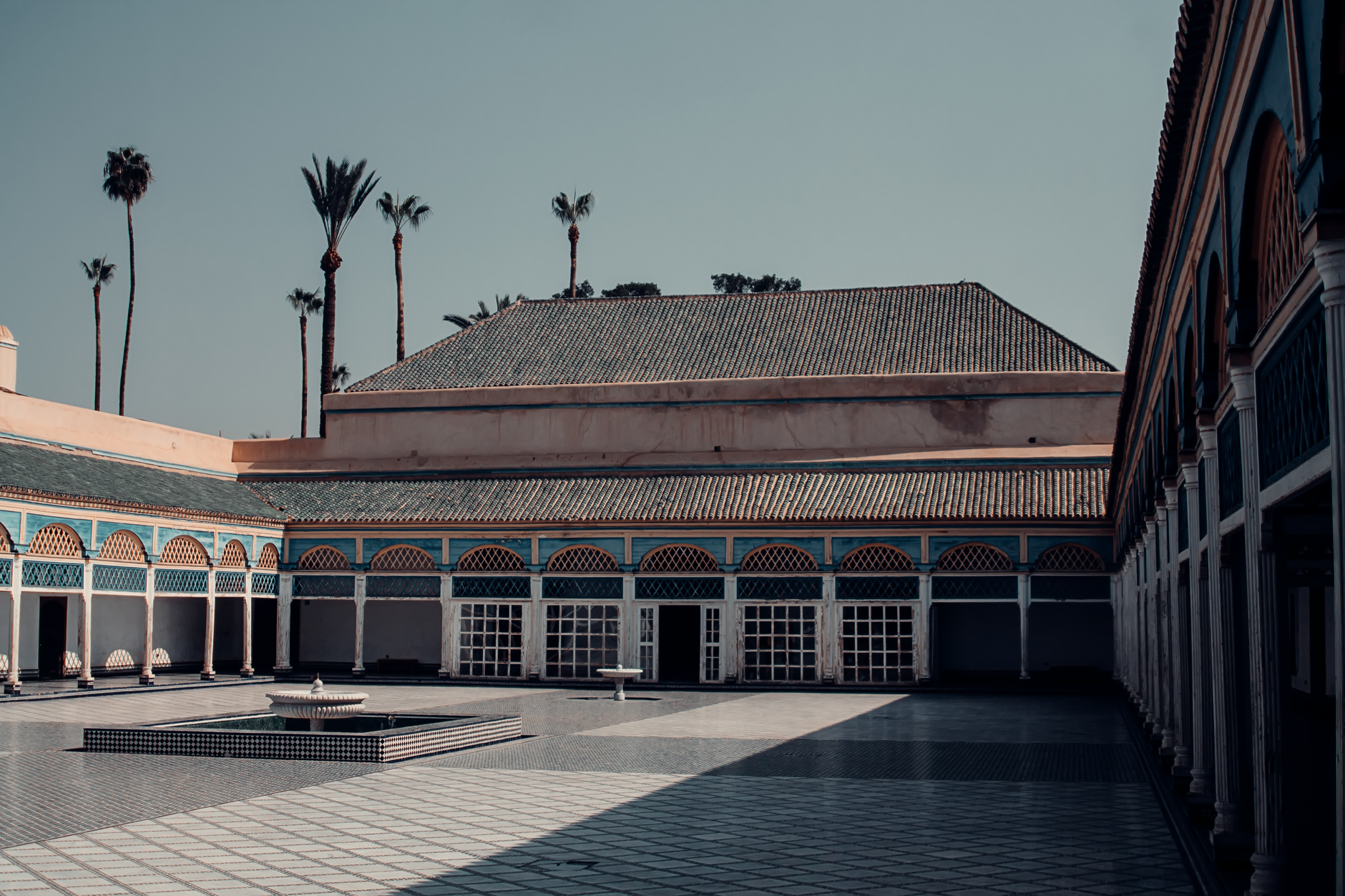
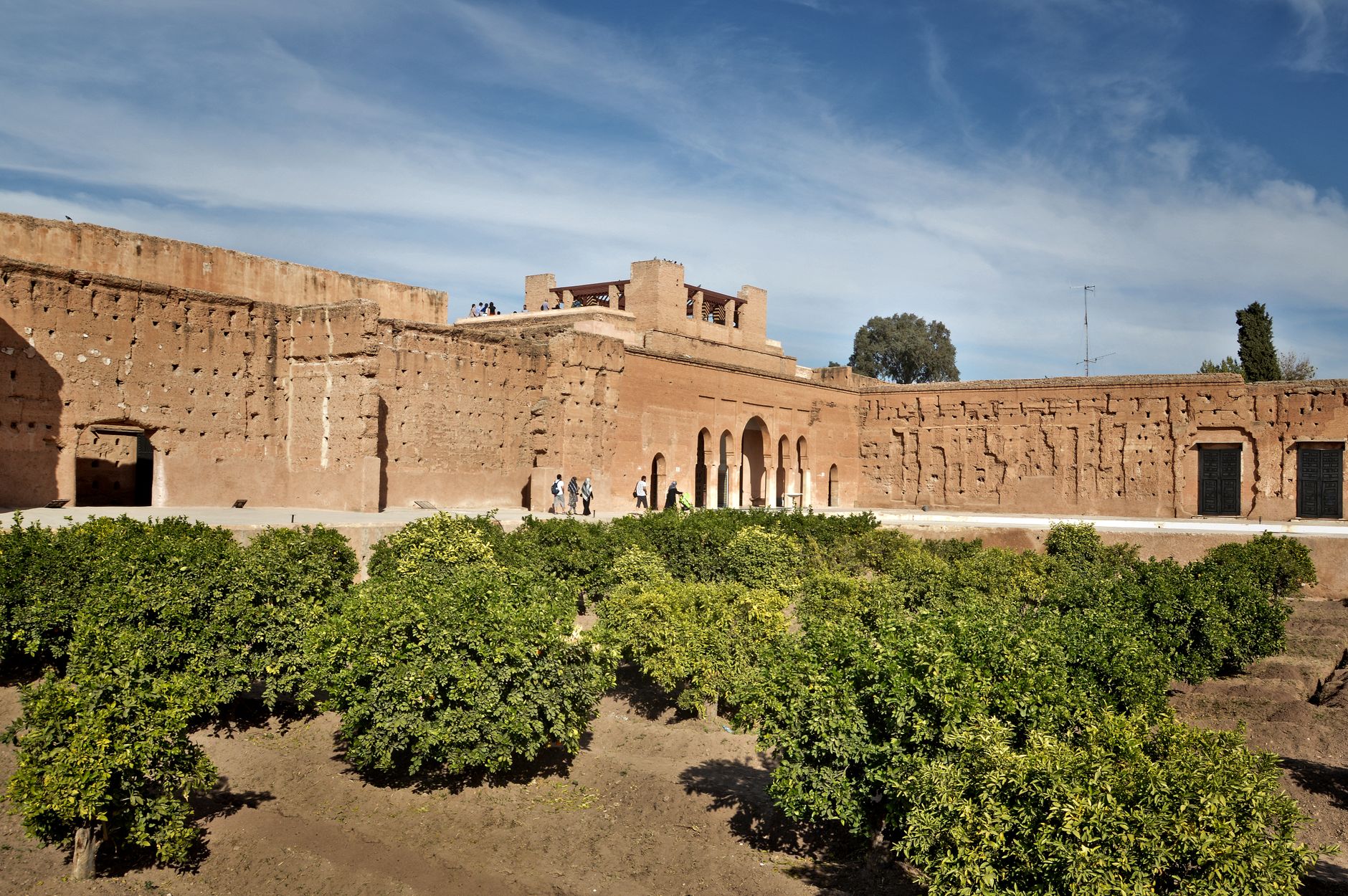
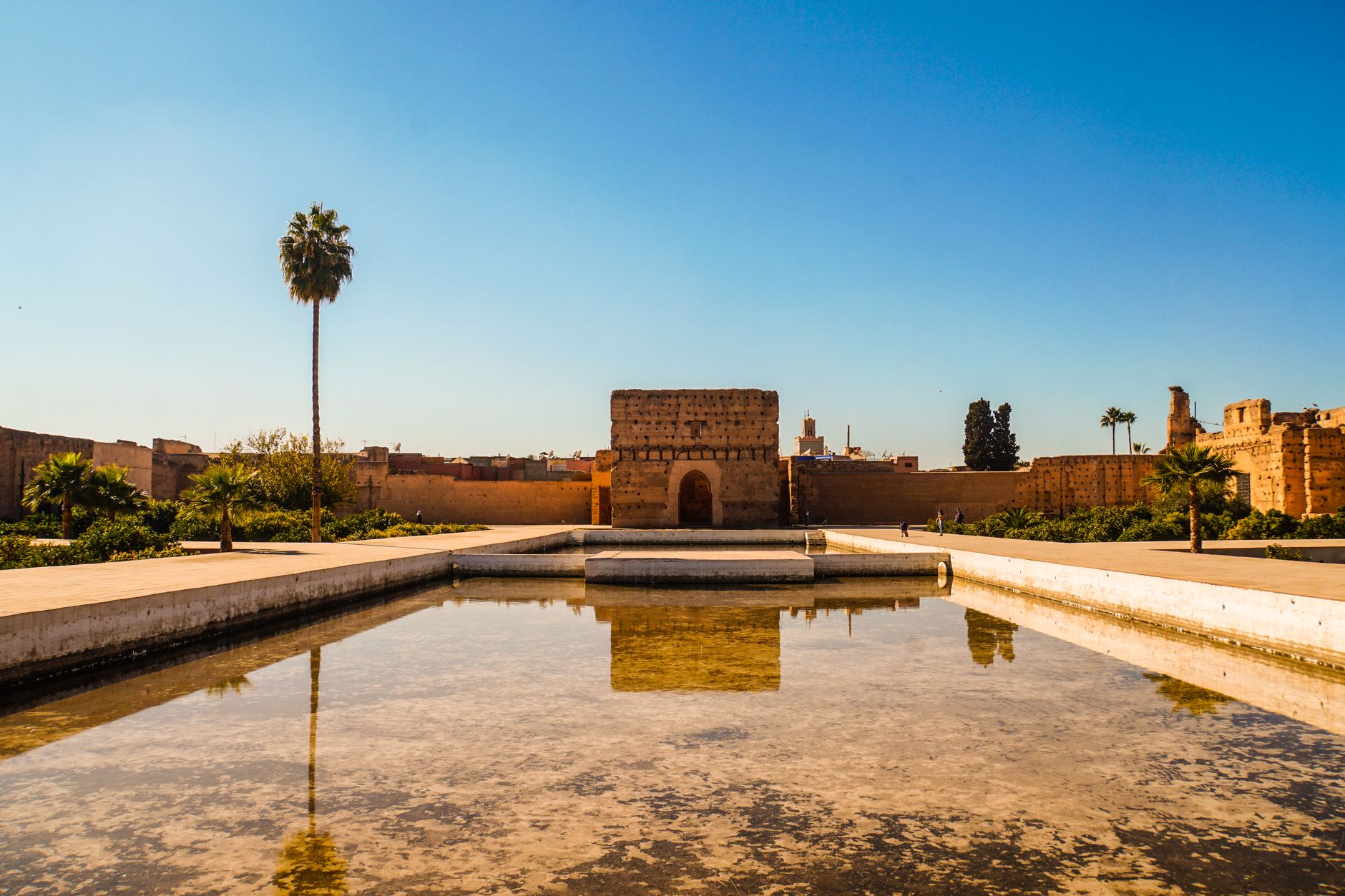
- Early Morning Visits – To avoid crowds at the Bahia Palace in Marrakech, arrive before 9 am.
- Souvenir Negotiation – When buying a rug or pottery, start at half the asking price and work up. The seller will expect you to haggle for at least three rounds.
- Rooftop Etiquette – Shoes are removed before stepping onto the terrace. Keep noise to a minimum after 10 pm to respect neighboring guests.
Safety & House‑Guest Etiquette
Staying in a riad is akin to being a house guest. The “Awesome House Guest” guide stresses flexibility over demanding. Offer to help clear dishes after dinner, and never assume the host will provide your favorite brand of shampoo. If the riad is shoe‑less, leave your shoes at the entrance as a sign of respect.
Samantha Brown’s Places to Love emphasizes a quick scan of the room before closing the door, especially if you travel alone. Keep your valuables in the safe, and lock the main entrance when you step out for a stroll. The staff will gladly watch your luggage while you explore the souk.
Saving points for European hotels is a smart move; as the “Save Your Points” advice notes, using points on a Moroccan riad rarely yields value because local accommodation supports the community directly. Your payment goes to local jobs, fresh produce suppliers, and artisans who craft the tiles you admire.
FAQ
What is a riad and how is it different from a hotel?
A riad is a traditional Moroccan house centered around a courtyard, often converted into a guesthouse. Unlike hotels, riads provide a more intimate setting, flexible meal times, and staff who coordinate local transport and tours.
How do I know if a riad is truly 4‑star?
Ask about individual marble bathrooms, rooftop access, and whether the property offers a spa or hammam. A 4‑star riad will also mention “flexible check‑ins” and early breakfast options.
Are riads safe for solo travelers?
Yes, provided you choose a riad with solid locks, a front desk, and staff familiar with night‑time routes. The “Awesome House Guest” advice to be flexible and respectful helps build trust with the host.
Can I use credit cards for meals?
Most riads accept cards for the room rate but prefer cash for meals and market purchases. Keep a modest amount of dirhams handy for daily expenses.
What should I bring to respect local customs?
Leave shoes at the entrance, dress modestly (shoulders and knees covered), and be ready to negotiate politely in Arabic or French. Offering a small gift, such as a bottle of wine, aligns with the “Never arrive empty‑handed” rule from house‑guest etiquette.
How far is Chefchaouen from Fez by bus?
The CTM or Supratours bus takes a little over four hours. Plan to depart early to arrive before the afternoon market crowds.
Do riads serve halal food?
All Moroccan riads serve halal cuisine, as the country’s culinary tradition follows Islamic dietary laws. Vegetarian options are also widely available.