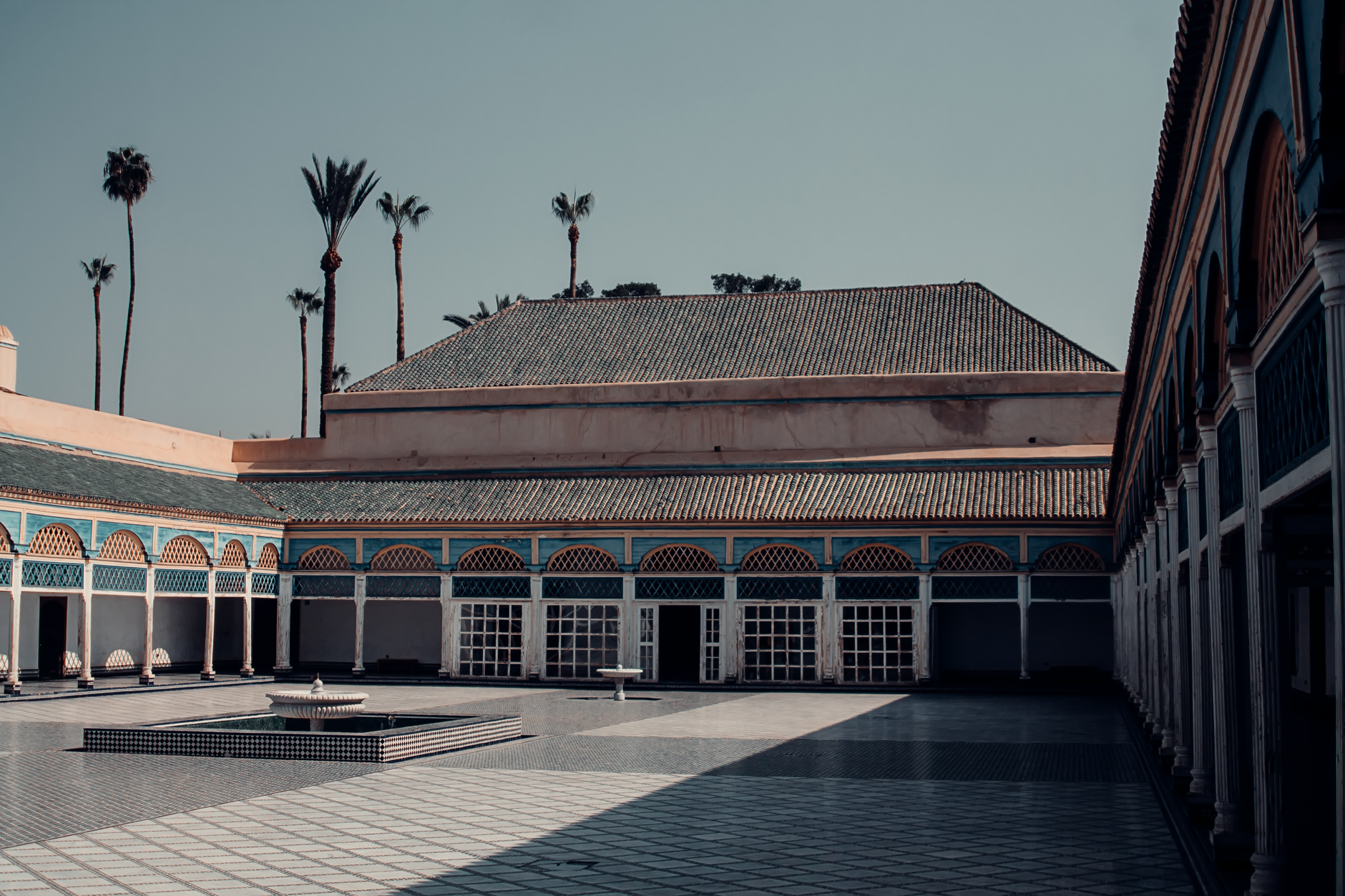
1. Gear Up Before You Enter the Labyrinth
The souks are a maze of narrow alleys where every turn hides a new stall. Arriving with the right tools makes the difference between a smooth barter and a frustrating stand‑off.
- Cash is king. ATMs on the main square dispense enough for a day’s purchases, but keep a bundle of dirhams in a hidden pocket. Cards work at upscale boutiques, yet most stall owners prefer paper money.
- Dress for respect and comfort. The local Dress Code asks you to cover shoulders and knees; a lightweight scarf doubles as sun protection and a modestity aid. Slip‑on shoes let you slip off quickly if you wander into a mosque courtyard, where non‑Muslims may only view the exterior and gardens of Koutoubia Mosque.
- Timing matters. The souks quiet down after the afternoon prayer (≈ 1 p.m.) and swell again at sunset. If you prefer a less crowded bargaining floor, aim for the early morning hours before the market fully awakens.
2. Map the Main Avenues Without Getting Lost
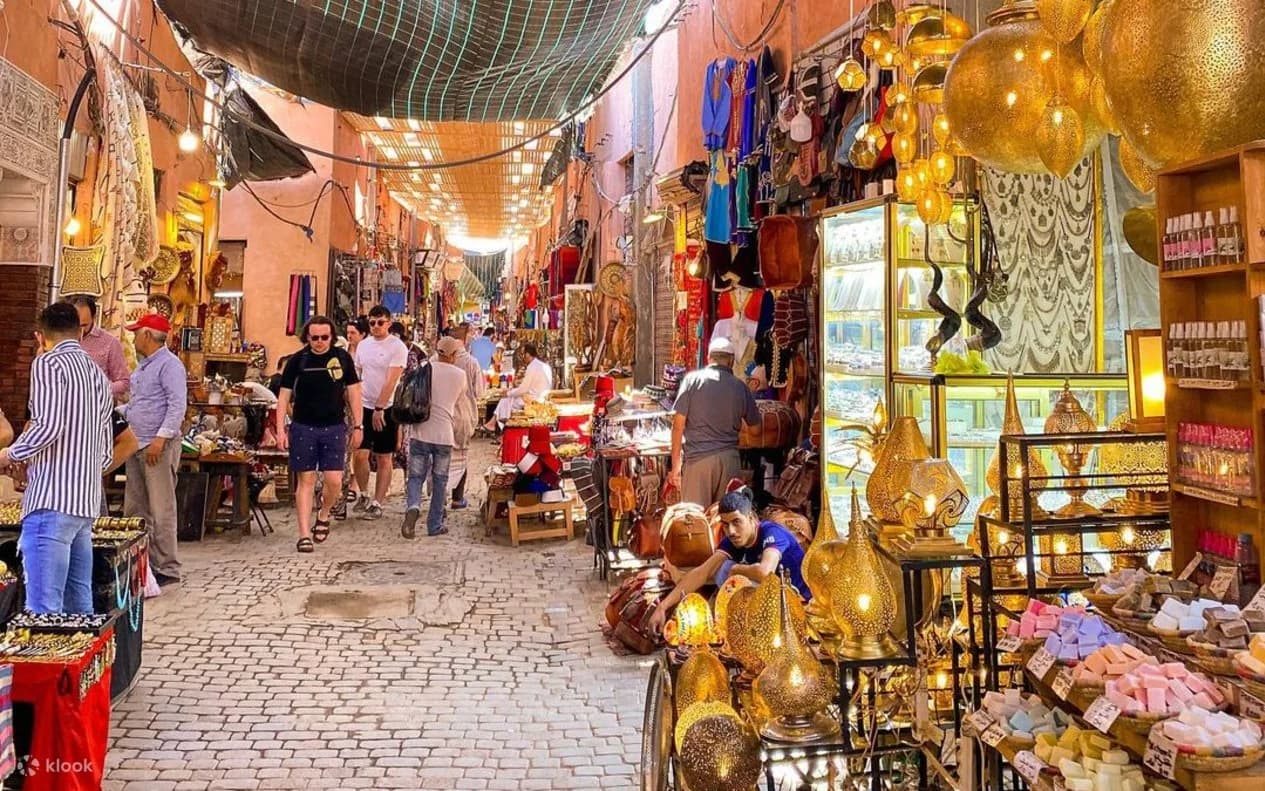
A quick glance at a paper map (downloadable from the tourist office) will show three primary arteries: Souk Semmarine (leather), Souk Ableuh (spices), and Souk el‑Attarine (jewelry).
- Souk Semmarine is the place to test a leather bag’s softness. Feel the grain, tap the edge for firmness, and ask the seller to show the stitching.
- Souk Ableuh offers bright piles of cumin, saffron, and preserved lemons. Smell each heap; quality spices release a sharp, clean aroma without a musty undertone.
- Souk el‑Attarine holds silver filigree and amber. Examine the clasp for smooth movement; a loose hinge often signals cheap mass production.
All three streets converge near Rahba Kedima, the spice and apothecary square, where the building itself showcases Moroccan craftsmanship. A quick stop inside offers a visual benchmark for the quality you’ll encounter in the stalls.
3. Speak the Language of the Bargain
Moroccans love a good negotiation, but it is a dance, not a duel. Begin with a friendly greeting—“Salam alekum”—and a smile. Then follow this rhythm:
- Set a high opening price. Vendors expect you to start above the asking price; a figure roughly 30 % higher signals you understand the game.
- Counter with a lower figure. Drop the price by about half of your opening offer. This shows you’re serious but still flexible.
- Use “shwiya” (a little) and “bzzaf” (a lot). Phrases like “bzzaf hna” (that’s too much) or “shwiya akthar” (a little more) keep the tone light.
- Walk away deliberately. The moment you turn your back, many sellers will call you back with a better number.
Avoid the trap highlighted in the Mistakes People Make guide: over‑bargaining to the point of insult. If the seller’s face tightens, accept the current offer or thank them and move on. Respectful persistence wins more than aggressive haggling.
4. Spot the Real Deal vs. the Tourist Trap
The souks are peppered with stalls that inflate prices for foreign eyes. A quick visual audit helps you stay on the right side of the line.
- Hand‑stitched leather shows consistent thread tension and no loose edges. Machine‑sewn pieces often have a glossy finish that feels rigid.
- Ceramic tiles should have a uniform glaze; bubbling or uneven coloring usually means a cheap factory batch.
- Spice sacks that are pre‑packed in plastic are likely sourced from large distributors; bulk‑loose spices in paper bags tend to be locally ground.
If a seller pushes you toward a “special” item that costs double the market rate, politely decline. The Marrakech Scams reports that faux guides frequently accompany tourists, offering “exclusive” tours of the souks and demanding a hidden fee. Decline unsolicited assistance and rely on your own map.
5. Navigate the Street‑Level Charades
Scams often masquerade as helpful locals. The Don’t Take Help warning advises you to stay firm when strangers approach with offers to show the way or negotiate on your behalf.
- If approached, thank them and continue alone. A genuine local will not demand payment for a simple direction.
- Beware of “family restaurants.” Some touts will lead you to a hidden eatery and then inflate the bill. Stick to establishments you’ve researched or that are visible from the street.
The Marrakech Safe briefing notes that petty scams are the most common issue for visitors. Keeping a calm, confident demeanor reduces the likelihood of being targeted.
6. After‑Shopping Relaxation: Hammam Choices
A traditional hammam is the perfect way to unwind after hours of bargaining. Two categories exist: neighborhood hammams and tourist‑oriented spa hammams.
- Neighborhood hammams are inexpensive, communal spaces where locals gather. Expect a simple steam room, a gentle scrub, and a lively chatter of regulars.
- Tourist spa hammams are pricier, offering private rooms, aromatherapy oils, and sometimes a massage.
Choose based on your budget and the experience you seek. Both provide the cleansing ritual that Moroccans consider essential after a day in the market.
7. Nearby Cultural Stops That Complement Your Shopping Day
Your souk expedition can be paired with a few quick visits that deepen your appreciation of Moroccan artistry.
- Le Jardin Secret sits a short walk from the main souk entrance. Its restored riad offers intricate zellij tiles and a quiet courtyard—great for a photo break.
- Musée de Marrakech presents a collection of historic weapons, textiles, and ceramics, giving you a museum reference point for the items you’ve just examined.
- Jardin Majorelle (often called Majorelle Garden) requires online advance booking. Its cobalt‑blue walls and exotic plants provide a contrasting backdrop to the earth tones of the souks.
- Fnaa Square comes alive after sunset with storytellers, snake charmers, and food stalls. While you’re there, keep your wallet secure; the crowd is dense and pickpockets are common.
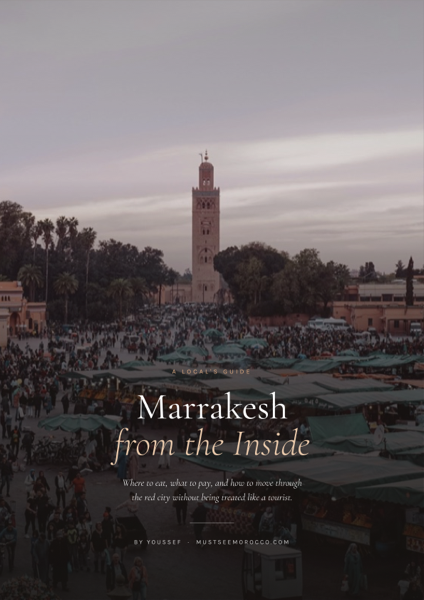
Remember, non‑Muslims may only view the exterior and gardens of Koutoubia Mosque, but the towering minaret offers an iconic photo opportunity from the square.
8. Getting Around Without Getting Stuck
Transportation inside the medina is limited to foot traffic and petit taxis that wait at designated stands.
- Petit taxis are small, red, and metered. Insist on the meter being turned on before you set off.
- CTM or Supratours buses connect the medina to the modern Gueliz district and the train station, useful if you plan a day trip to the Atlas Mountains.
- ONCF trains run from Marrakech to cities like Casablanca and Fez; the journey to Fez takes about six hours by road, seven by train.
Ride‑hailing apps are unreliable in the narrow lanes, and bicycles are discouraged due to the cobblestones and pedestrian priority.
9. Safety Net: What the Authorities Say
Both the Foreign, Commonwealth & Development Office (the Development Office) and the U.S. State Department classify Morocco as a lower‑risk destination, noting that most incidents involve petty theft or aggressive vendors.
- Keep your passport in a hotel safe; carry a photocopy for day trips.
- Use a money belt or hidden pouch for cash.
- Walk confidently, especially after dark; the Marrakech Safe guide advises solo female travelers to avoid isolated alleys after the evening prayer.
10. The Mindset of a Local Shopper
Adopting a local perspective helps you blend in and enjoy the process.
- Patience is currency. Vendors often take a moment to assess whether you’re a serious buyer.
- Politeness pays off. A respectful “shukran” (thank you) after each counter‑offer leaves a positive impression.
- Know when to quit. If the price settles at a level that feels fair, seal the deal. Lingering too long can sour the interaction and affect future purchases.
By treating each stall as a conversation rather than a transaction, you’ll leave the souks with treasures and stories that feel earned.
FAQ
How much cash should I bring for a day of souk shopping?
Carry enough paper dirhams for several transactions, but keep the total amount moderate to avoid drawing attention. A hidden pouch with an amount you’re comfortable losing is safest.
Can I bargain for a fixed‑price item like a ready‑made rug?
Even items listed with a price can be negotiated, especially if you notice minor flaws or if you’re buying multiple pieces. Approach the conversation with a friendly tone and be prepared to walk away.
Are there any signs that a stall is targeting tourists?
Yes. Overly bright signage, English‑only price tags, and sellers who immediately quote higher prices to foreigners are indicators. Switch to a nearby stall that engages in Arabic and offers a more relaxed pace.
What should I do if a vendor refuses to lower the price after several offers?
Respect the seller’s limit and thank them. You can either accept the final offer if it feels reasonable, or move on to another stall. Leaving politely maintains goodwill for future interactions.