Day 1 – Marrakech → High Atlas → Ait Benhaddou
Set off early to beat the heat and the traffic that builds around the city gates. A private driver with a 4×4 is the most reliable way to keep the schedule; the road to the Tizi n’Tichka pass winds through the High Atlas Mountains, offering panoramic views that are most impressive in the morning light. The pass sits at 2,260 m (7,415 ft); keep your camera ready for the occasional shepherd crossing.
The first major stop after descending the pass is Ait Benhaddou, the iconic ksar that has framed countless films. Walk the earthen walls and pause at the riverbank; the view across the water is especially photogenic in the soft afternoon. While the site is free to explore, a modest contribution helps the caretakers maintain the ancient mud‑brick structures.
Continue toward Ouarzazate, the “door to the desert.” If you have time, swing by the film studios for a quick glimpse of the sound stages that host Hollywood productions. Arrive in Ouarzazate before dusk and settle into a locally‑run guesthouse. Most accommodations include a simple hammam; the neighborhood version costs a fraction of the upscale spa version, so you can enjoy the steam without splurging.
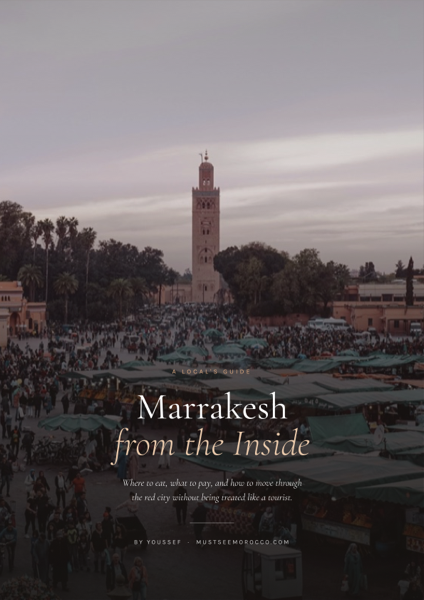
Insider tip: When you pass the Koutoubia Mosque on your way out of Marrakech, remember that non‑Muslims may only view the exterior and the surrounding gardens. A quick photo stop is fine, but entry is off‑limits.
Day 2 – Ouarzazate → Dades Valley → Todra Gorge → Merzouga
After a light breakfast, head east toward the Dades Valley. The road snakes through dramatic red cliffs; the best photo opportunities are at the “Monkey Fingers” rock formation, best seen when the sun is low. Continue to the Todra Gorge, a narrow canyon where the river has carved smooth limestone walls. A short walk along the gorge floor is doable for most fitness levels; bring sturdy shoes because the path can be slick after rain.
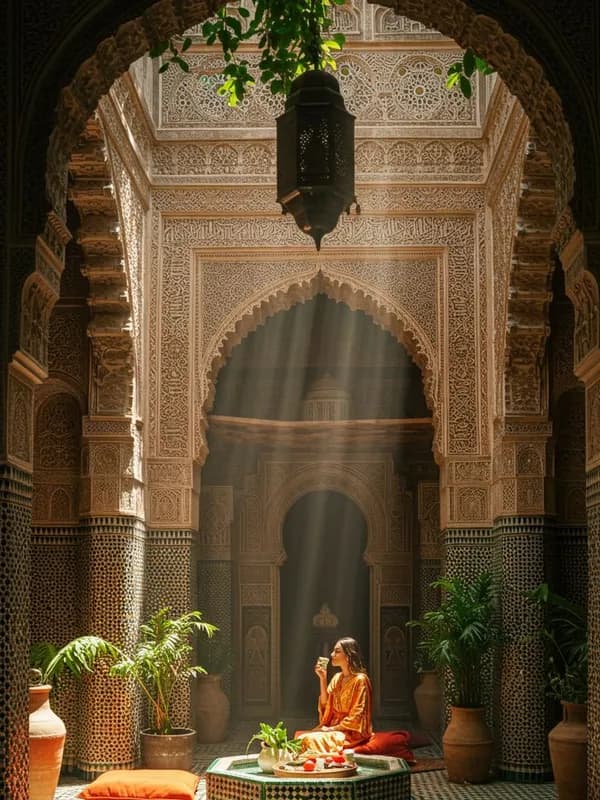
Mid‑day, you’ll cross the desert plain toward Merzouga. The drive is long, so keep water and snacks handy. The landscape shifts from rocky outcrops to rolling dunes as you approach the village of Merzouga, the gateway to Erg Chebbi. Check into a desert‑camp camp that offers traditional Berber tents. Most camps provide a simple dinner of tagine and fresh bread, followed by a night under the stars.
Practical note: Cash is king in remote areas. Small bills in Moroccan dirhams are accepted for meals and souvenirs; credit cards rarely work beyond the larger towns.
Day 3 – Merzouga: Sunrise Camel Trek, Desert Camp, Return to Marrakech
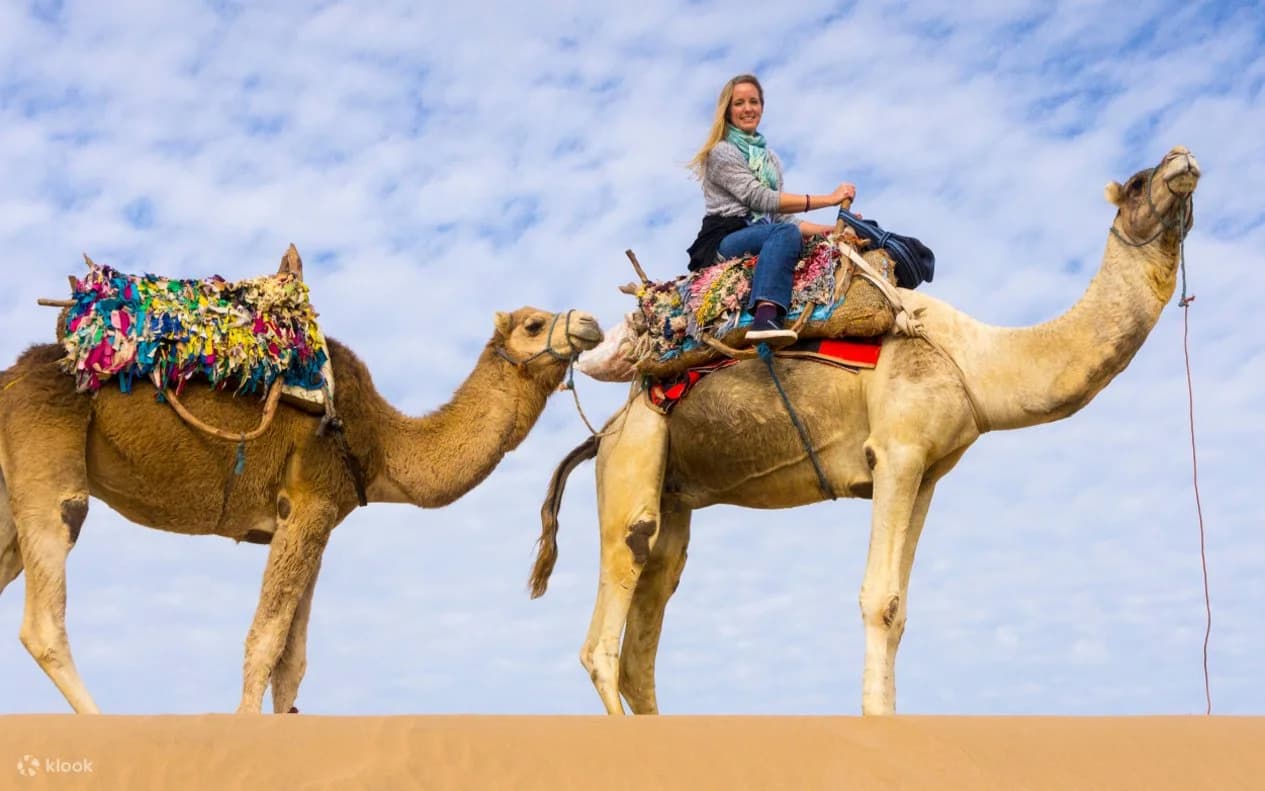
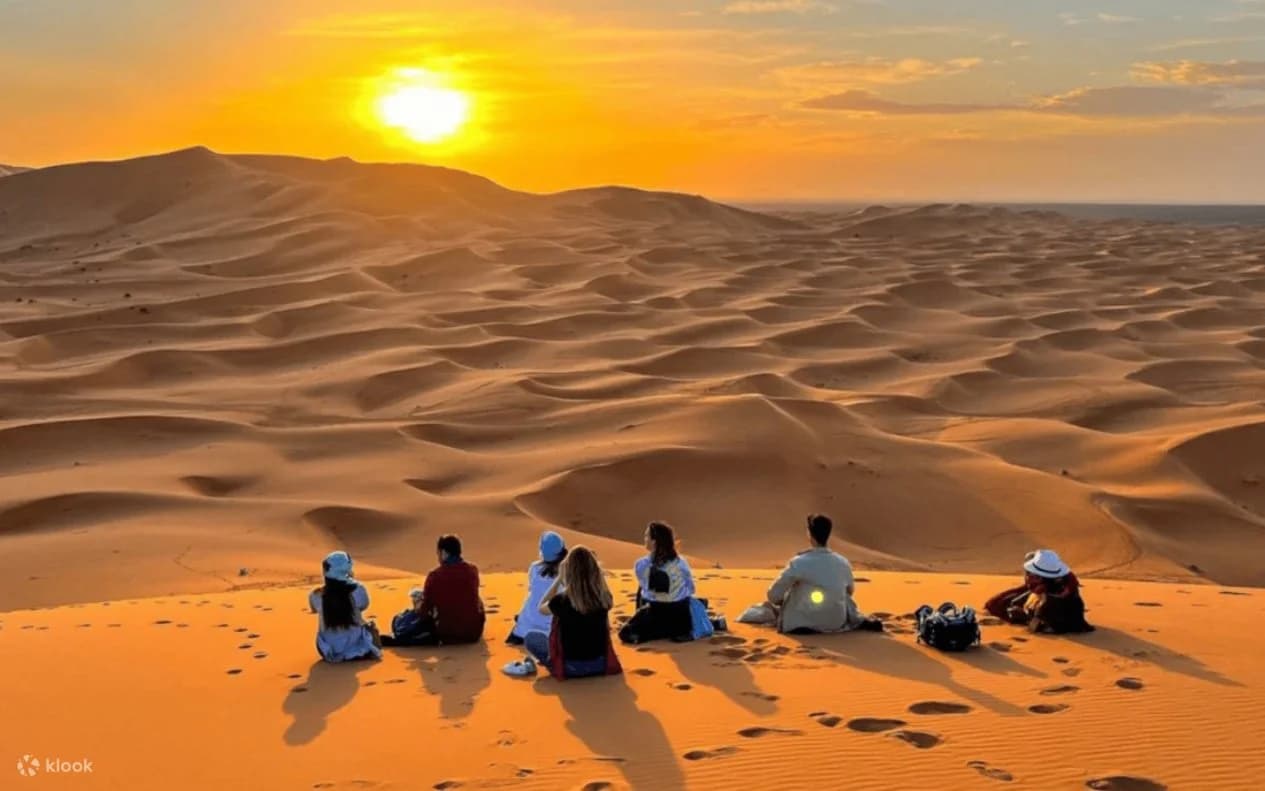
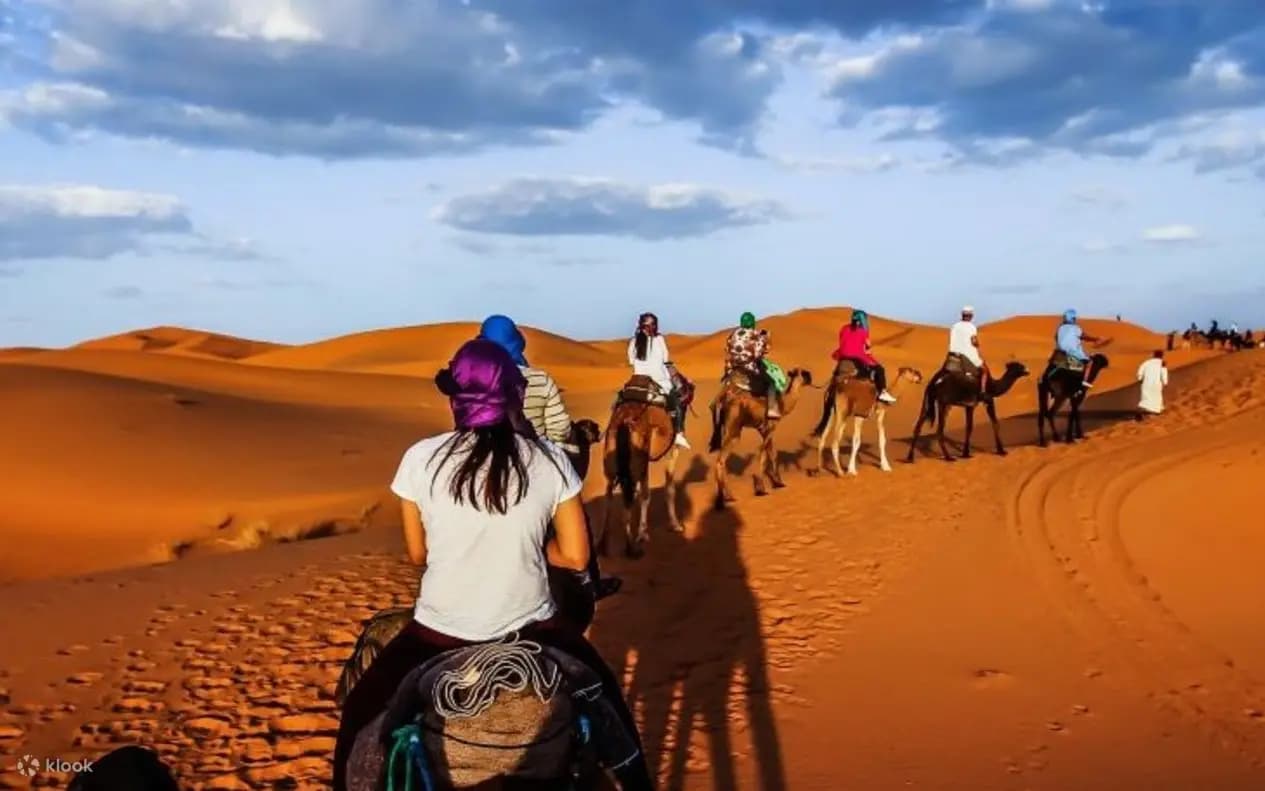
Rise before dawn for the classic camel trek. Guides will lead a small herd of dromedaries up the dunes; the ascent takes about 30 minutes, and the sunrise over the rippling sand is unforgettable. The descent is quicker, but keep a firm grip on the reins as the sand can be loose.
After the trek, return to the camp for a traditional breakfast of mint tea and fresh pastries. Most tours include a short sand‑boarding session for the adventurous—just ask the guide for equipment.
By mid‑morning, begin the journey back to Marrakech. The return leg follows the same route, but you’ll pass through different villages, offering a chance to stop for a quick lunch of couscous at a roadside eatery. Expect to arrive in Marrakech in the early evening, just in time for a relaxed dinner on the rooftop of your riad.
Safety reminder: The desert can be chilly after sunset; bring a warm layer even in summer. Sunscreen, a hat, and sunglasses are essential during the day.
How to Book the Tour
- Advance reservation for Jardin Majorelle – If you plan to explore Marrakech before heading out, secure an online ticket for this garden. The site’s blue villa and the Pierre Bergé Museum of Berber Arts are only accessible with a pre‑booked entry slot.
- Local hammam vs. spa hammam – Neighborhood hammams charge a modest fee and give you an authentic steam experience. Tourist‑oriented spa hammams are considerably pricier; decide what level of comfort you prefer.
- Tour operators – Look for companies that provide a single driver and guide for the entire Marrakech‑to‑Sahara loop. This eliminates the need to coordinate multiple transfers and ensures you have a knowledgeable local to handle any hiccups.
What to Pack
- Clothing – Light, breathable layers for daytime; a fleece or sweater for evenings in the desert.
- Footwear – Sturdy walking shoes for the gorge and sand‑friendly sandals for the camp.
- Essentials – Sunscreen, a wide‑brimmed hat, reusable water bottle, and a small daypack.
- Tech – A power bank; mobile signal can be spotty in the dunes.
Money Matters
- Currency – Moroccan dirhams (MAD). ATMs are available in Marrakech, Ouarzazate, and larger towns, but not in the desert.
- Payments – Small shops, market stalls, and desert camps prefer cash. Larger hotels and restaurants in the cities accept cards.
Dealing with Street Touts
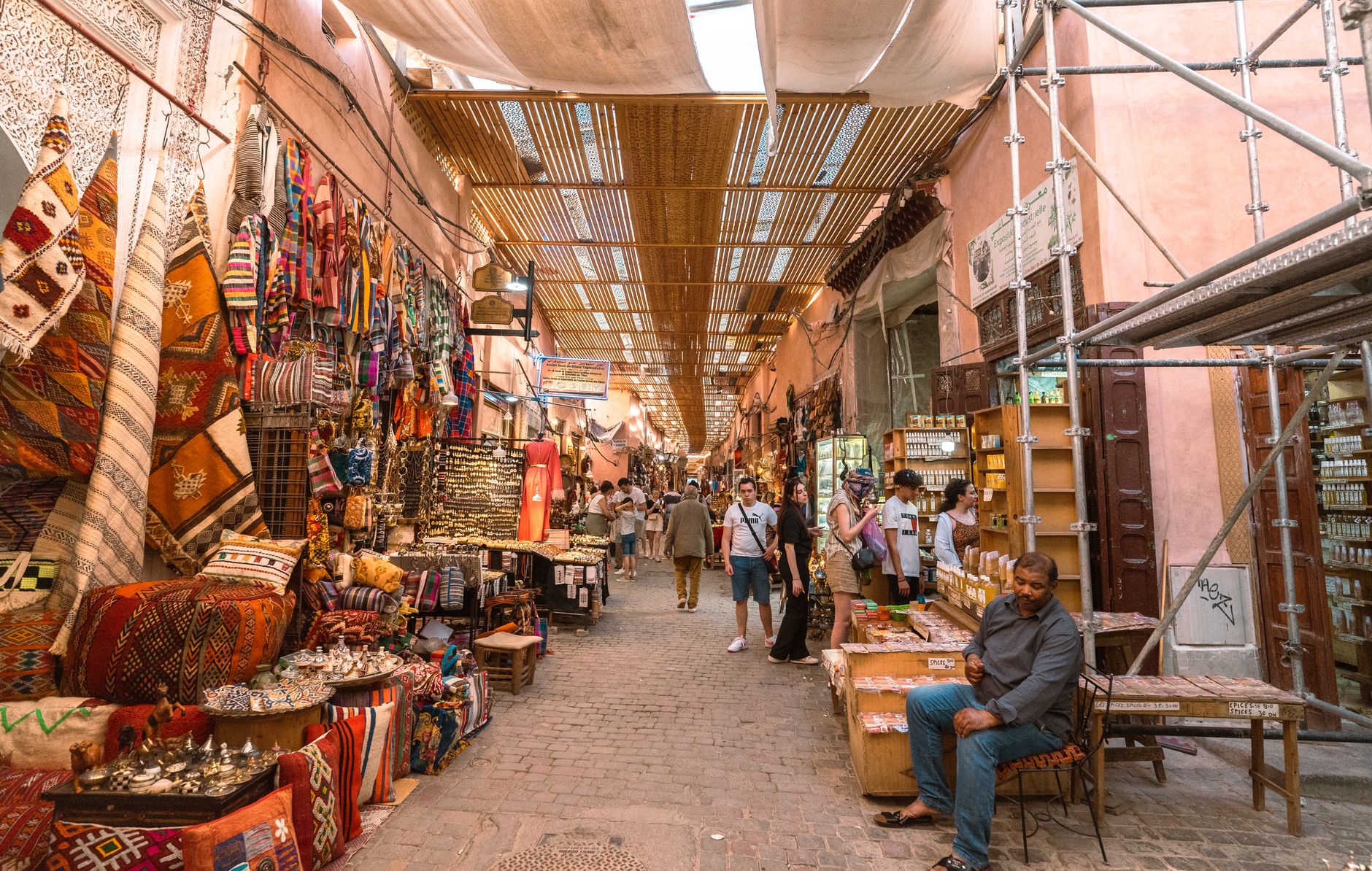
In Jemaa el‑Fna, you’ll encounter many vendors offering everything from henna tattoos to souvenir bracelets. A polite “no, thank you” in Arabic (“la shukran”) usually ends the pitch. If a seller persists, keep your voice calm and walk away; the crowd will usually give you space.
Dress Code and Cultural Sensitivity
- Mosques – As noted, non‑Muslims may only view exteriors. When passing any mosque, dress modestly (shoulders and knees covered).
- Desert camp – Respect local customs; avoid overly revealing clothing while inside the tents.
- Photography – Ask permission before photographing people, especially in remote villages.
Optional Add‑Ons
- Royal Mansour – If you have an extra evening in Marrakech, a quick stop at the Royal Mansour’s gardens for a King Spritz is a refined way to unwind. The venue is not open for general dining, but the bar area welcomes visitors for a drink.
- Yves Saint Laurent Museum – Adjacent to Jardin Majorelle, this small museum showcases the designer’s connection to Morocco. A quick visit can be fitted in before you leave the city.
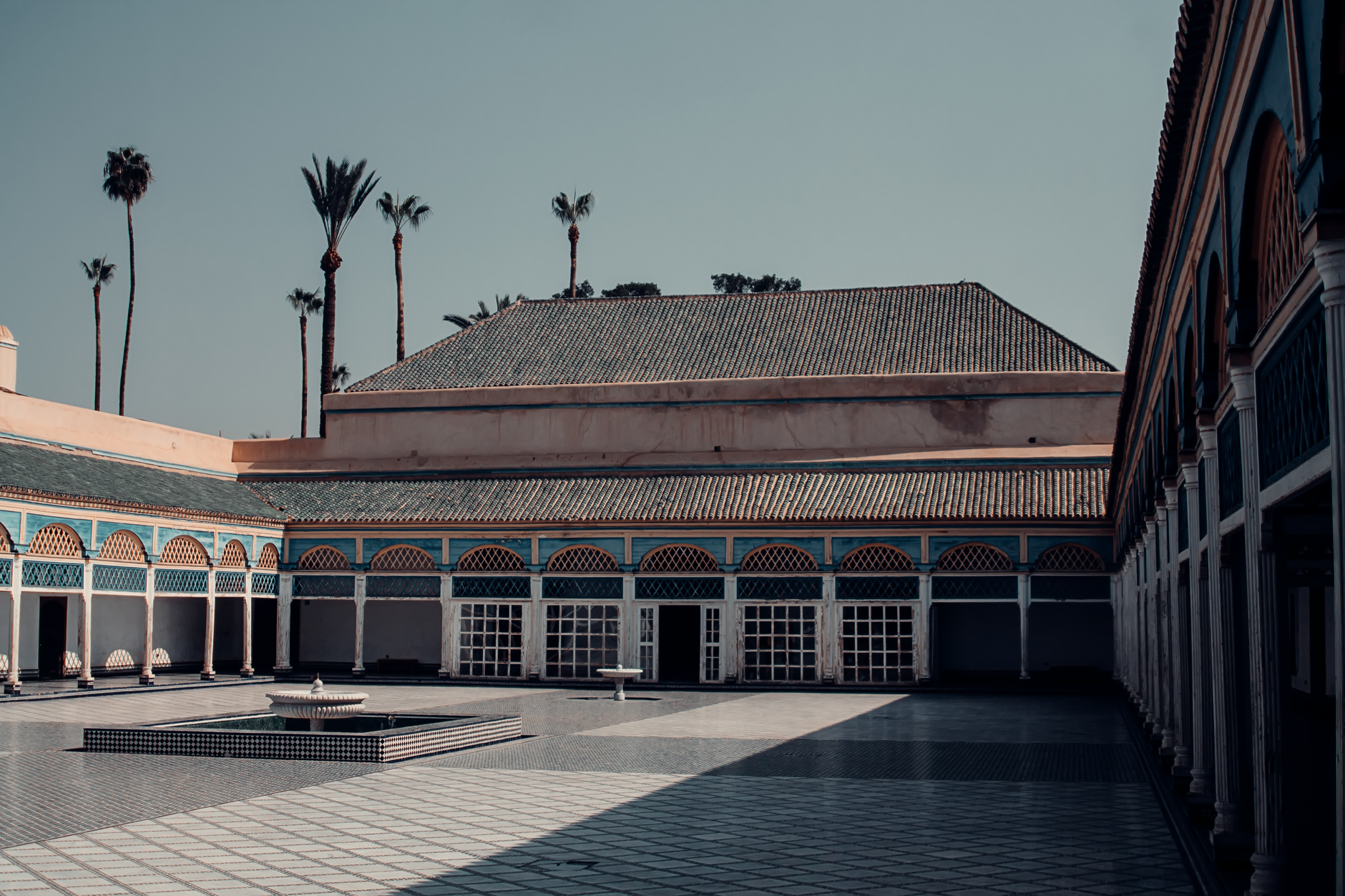
- El Bahia Palace – Open daily from morning until late afternoon; the entrance fee is modest. The palace’s courtyards and intricate tilework offer a glimpse into 19th‑century Moroccan aristocracy.
- Dar El Bacha – Built in 1910 for the pacha Thami El Glaoui, the palace’s woodwork and plaster decorations are worth a brief stop on the way back to Marrakech.
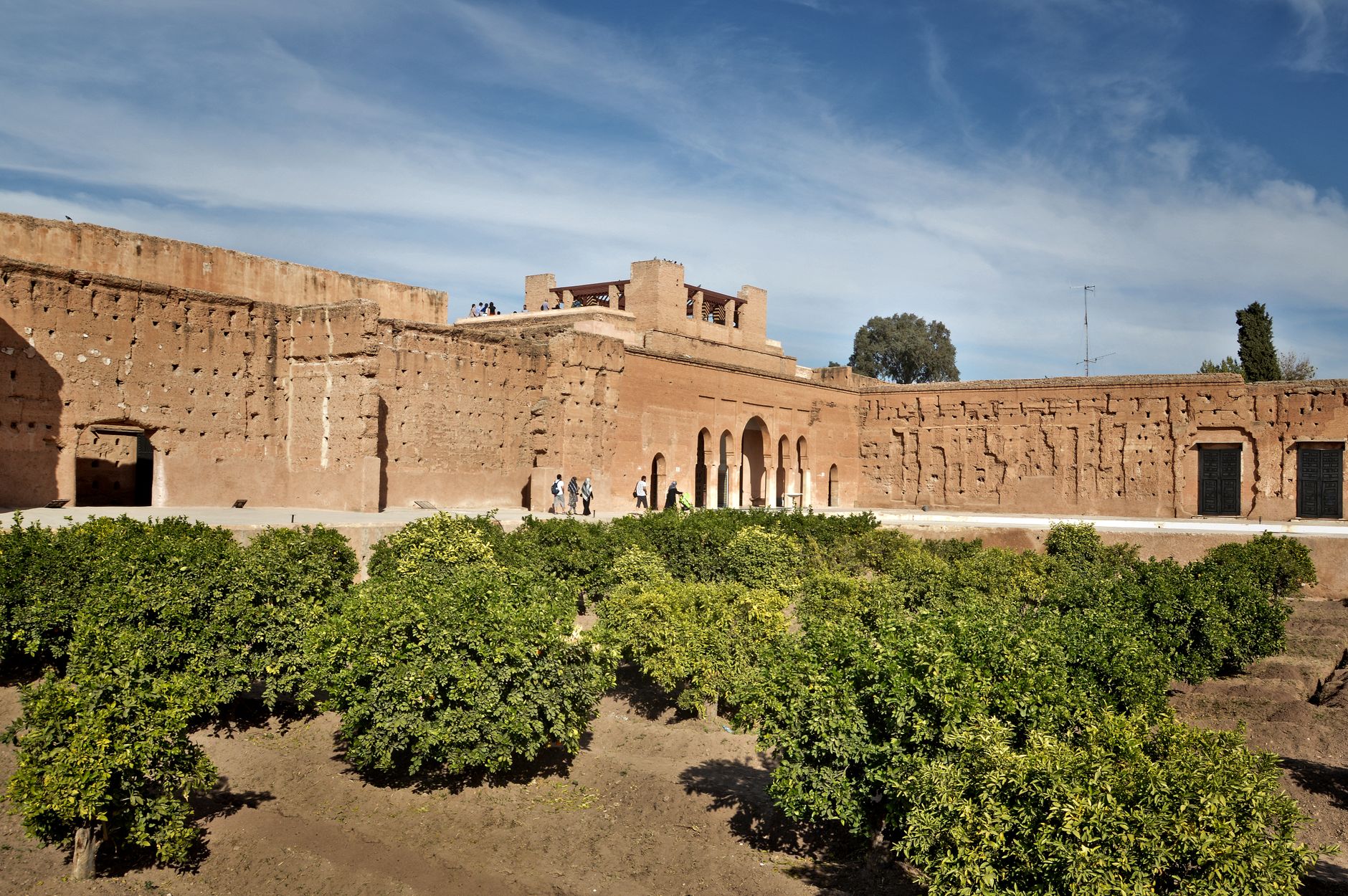
- El Badi Palace – The ruins open from morning to early evening; the foreign entry fee is higher than the local rate, but the site’s scale makes it worthwhile.
Timing and Seasons
The most comfortable months for a Sahara trek are from October to April, when daytime temperatures are moderate and nights are cooler. During the peak summer months, the desert can reach extreme heat, making early‑morning activities essential and midday travel uncomfortable.
FAQ
How many days do I need for a Marrakech to Sahara tour?
A three‑day itinerary covers the main highlights without feeling rushed. You get a full day of travel each way and a night in the dunes, which is the sweet spot for most travelers.
What is the best time of year for the desert?
October through April offers pleasant daytime temperatures and clear skies for stargazing. Avoid the hottest summer months unless you are prepared for intense heat.
Can I join a public bus from Marrakech to Merzouga?
Public buses run to larger towns like Ouarzazate, but the final leg to Merzouga is rarely served. A private driver or a dedicated tour package is the most reliable option.
Do I need a visa to enter Morocco?
Visa requirements depend on your nationality. Most European, North American, and many Asian passports are visa‑free for stays up to 90 days. Check the latest consular information before you travel.
What should I bring for the camel trek?
Comfortable shoes, a hat, sunscreen, a light jacket for early morning chill, and a reusable water bottle. The guide will provide a blanket for the ride.
Are there vegetarian options on the desert camp menu?
Most camps can accommodate vegetarian requests if you inform them in advance. Tagine with seasonal vegetables and fresh bread are common alternatives.
Is it safe to travel alone on this route?
The main roads between Marrakech, Ouarzazate, and Merzouga are well‑traveled. Solo travelers benefit from joining an organized tour or hiring a reputable driver. Night travel on remote desert tracks is best avoided without a guide.
How do I handle money in the desert where there are no ATMs?
Carry enough cash for the entire desert segment, including meals, tips, and any extra activities. Small denominations are easier for tipping and buying souvenirs.