1. How to reach Ouzoud from Marrakech
By shared minivan
Several local operators run shared‑minivan services that pick you up in Marrakech and drop you off at the falls. The vehicles leave early enough to let you explore before the midday rush and return in the late afternoon. Booking a seat is inexpensive compared with a taxi, and the driver usually knows a few hidden viewpoints along the way.
By rented car
If you prefer total freedom, a compact car lets you drive the 150 km in roughly two and a half hours. The route follows the RN8 past the town of Azilal; parking at the Ouzoud entrance costs a modest fee. Remember to carry a spare tire and a full tank—fuel stations become sparse once you leave the main highway.
By public bus and petit taxi
CTM and Supratours run a regular service from the Marrakech bus station to El Kelaa des Sraghna. From there, a petit taxi (six‑seat “grand taxi”) will take you the remaining 40 minutes to the falls. The bus departs from the Bab Doukala terminal in the city, so you can catch it after a quick coffee in the medina. This combination is the cheapest way to travel, though you’ll need to negotiate the taxi fare before you set off.
By organized shuttle
Several local operators offer a shuttle that leaves from major riads and hotels. The shuttle includes a guide who points out the geology of the M’Goun Global Geopark (UNESCO‑listed) as you roll past olive groves. Seats fill quickly, so arrange the pick‑up the night before.
2. When to go – beating the crowds
The falls attract a steady stream of visitors from Marrakech, especially on weekends. Arriving just after sunrise (around 8 am) gives you a quiet riverbank, soft light for photography, and the chance to watch the mist catch the early sun. The main viewing platforms become busier by 10 am; if you prefer a calmer atmosphere, linger at the lower pools until the crowd thins after lunch.
Winter rains swell the cascade to its full 110‑meter height, creating dramatic spray and vivid rainbows. Summer brings warmer water, perfect for a dip, but the lower pools can be crowded. Pack a light rain jacket for winter and a swimsuit for summer; the water temperature is pleasant year‑round.
3. What to do at Ouzoud
Walk the loop trail
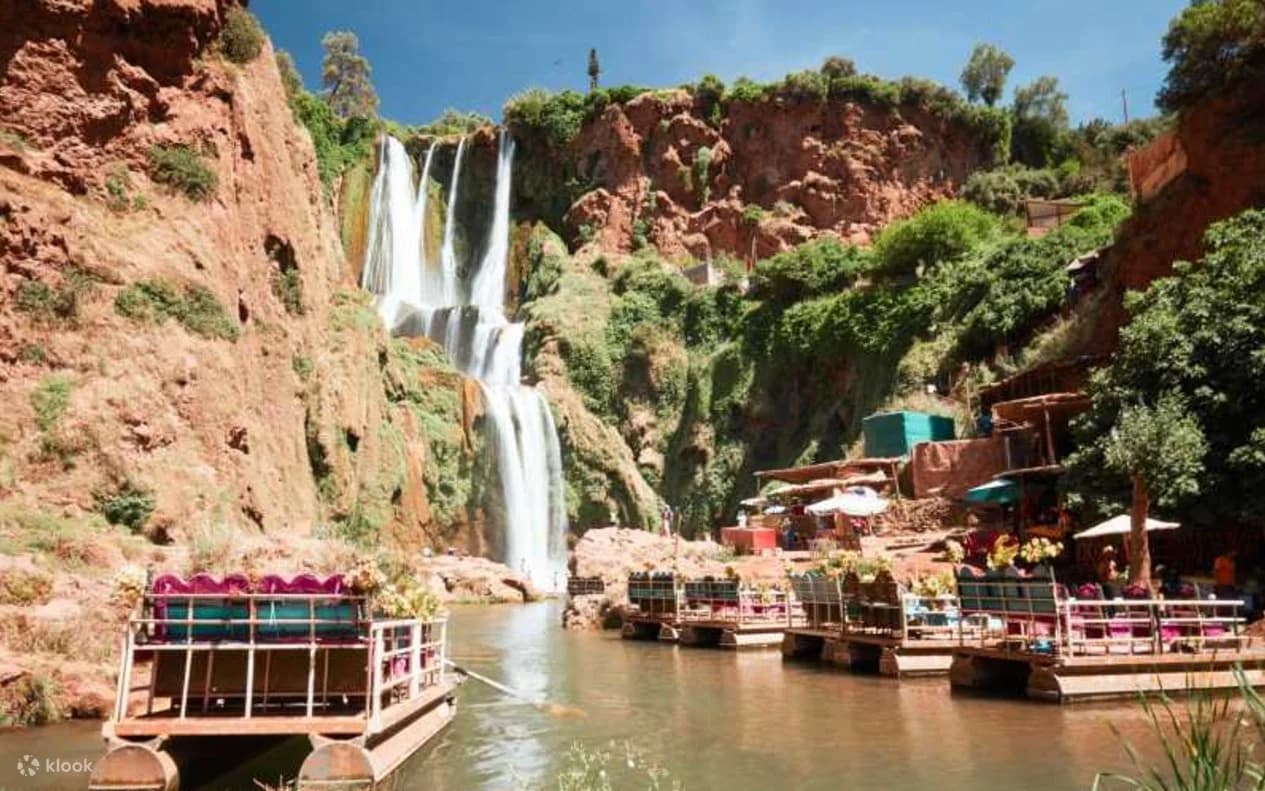
A well‑marked trail circles the falls, offering three main viewpoints. The upper platform lets you look down the 110‑meter drop, while the middle viewpoint frames the cascade against the surrounding olive groves. The trail is moderate; sturdy shoes are advisable.
Boat ride to the base
Small wooden boats wait at the first pool for a modest fee. The operator rows you close enough to feel the spray on your face. The ride lasts a few minutes, but it’s the only way to reach the pool directly beneath the main drop.
Swim in the natural pools
During the hotter months, the river’s lower pool is calm enough for a quick swim. The current is gentle near the rocks, but keep an eye on the flow if you venture farther downstream. Bring a towel and a change of clothes; there are no changing rooms, only shaded benches.
Spot the resident macaques
A troop of Barbary macaques roams the forested slopes. They are accustomed to visitors, but you should keep food sealed—these monkeys are quick and will snatch an unguarded snack.
4. Food, drink, and where to eat
A line of modest restaurants hugs the main road. Most serve tagine with locally harvested olives, a nod to the Berber word “ouzd” (olive). If you didn’t pack a lunch, the restaurant with a terrace overlooking the falls offers a view that doubles as a natural backdrop for your meal. The food is simple and inexpensive, but the fresh air makes it feel special.
For a quick bite, street vendors sell fresh orange juice and fried dough balls (sfenj). They set up near the lower parking area, so you can refuel without straying far from the water.
If you stay later and feel like a more elaborate dinner, head back to Marrakech and reserve a table at Le Jardin Secret—a beautifully restored riad garden that requires advance booking. The garden’s evening illumination provides a tranquil end to a day of outdoor activity.
5. Extending the experience – nearby villages
The village of Tanaghmeilt lies at the foot of the falls. Its stone houses and narrow lanes showcase traditional Amazigh architecture. A short walk from the main entrance leads to a small market where women sell hand‑woven blankets and locally pressed olive oil.
Further up the valley, you’ll find Riad Cascades—a guesthouse that checks in at 14:00 and checks out at 12:00. Even if you’re not staying overnight, the staff will point you to a quiet spot along the river where you can rest with a cup of mint tea.
The surrounding Middle Atlas landscape is dotted with terraced olive groves that have been cultivated for centuries. If time allows, drive a few kilometres north to a family‑run olive mill where you can watch the ancient water‑powered grinding process described in local histories.
6. Practical insider tips
- Cash vs. card – Most vendors accept Moroccan dirhams only; keep a few hundred in small bills for boat rides, snacks, and tips. ATMs are available in Azilal but not at the falls.
- Dress code – The site is outdoors, so lightweight clothing is fine, but bring a scarf or light jacket for early mornings and for modesty when you pass near the mosque in the nearby village. Remember, non‑Muslims cannot enter mosques; you can admire the exterior and courtyard of the local mosque from the street.
- Handling touts – A few friendly locals may offer “guided tours” near the entrance. If you’re not interested, a firm “No, thank you” in Arabic (“la shukran”) usually ends the pitch.
- Local hammam – After a swim, you can unwind at a neighborhood hammam for a very cheap entry fee. Tourist‑style spa hammams are considerably pricier and not necessary for a day‑trip refresh.
- Photography – The best rainbow appears on the platform close to the restaurants around mid‑morning when the sun hits the mist at a low angle. Bring a polarizing filter if you have one.
- Safety – The stone steps near the upper viewpoint can be slippery after rain; take your time and use the handrails.
7. Returning to Marrakech – evening options
After you’ve soaked up the waterfalls, the drive back offers a chance to stop at Dar Si Said or the Musée de Marrakech if you missed them earlier in the day. Both are within the historic medina and showcase Moroccan craftsmanship.
If you still have energy, the Jardin Majorelle is a must‑see—just remember you need an online reservation to enter. The garden’s blue‑green contrast is especially striking at sunset.
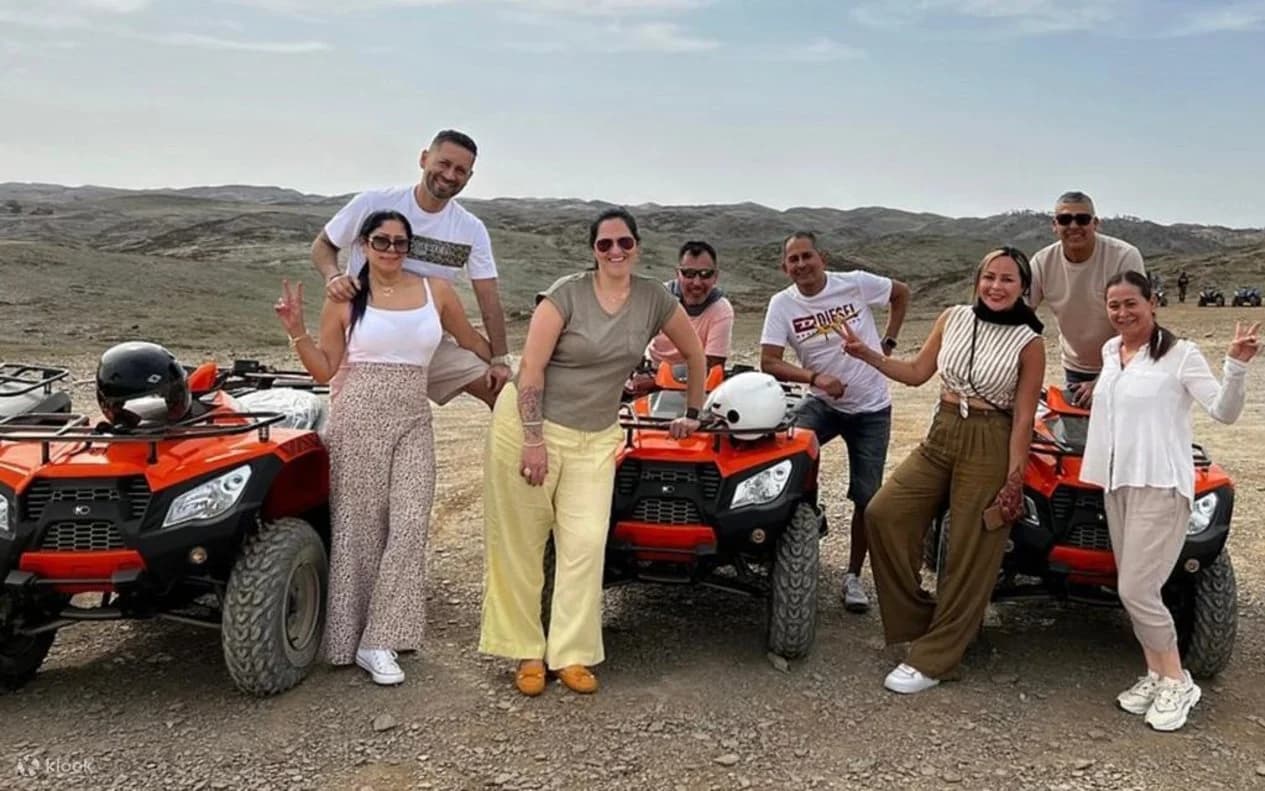
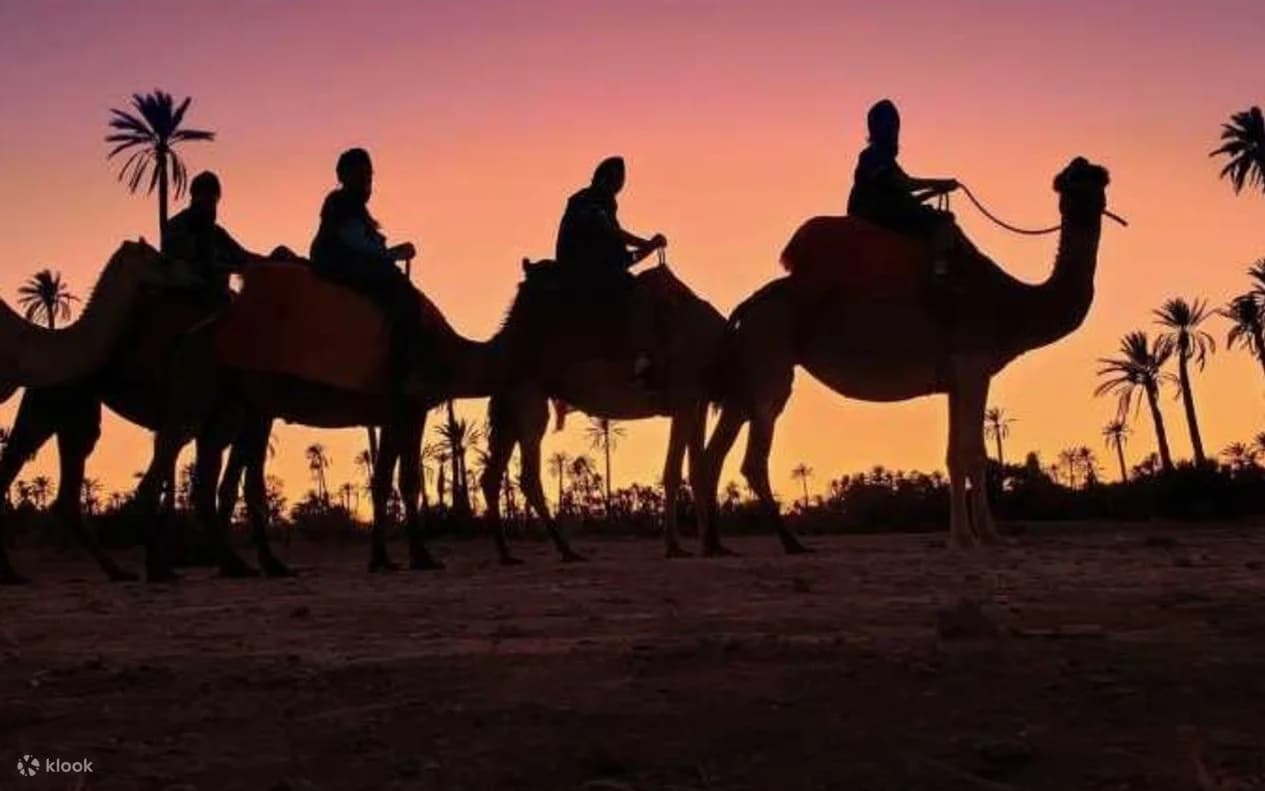
Finish the night with a traditional Camel Ride or a Quad Tour on the outskirts of the city, both of which are listed among Marrakech’s popular afternoon activities. For a more relaxed vibe, catch the Chez Ali Dinner and horsemen show, a staged performance that combines food, music, and folklore.
FAQ
How long does the round‑trip from Marrakech to Ouzoud take?
The drive itself is roughly two and a half hours each way. Including a leisurely morning at the falls and a short lunch, most travelers spend about eight to nine hours total.
Can I swim at the falls during the hottest months?
Yes, the lower pool stays warm enough for a comfortable dip in summer. The water near the base of the main cascade is cooler, but still suitable for a quick splash.
Is it possible to visit Ouzoud without a guide?
Absolutely. The main paths are well marked, and information signs explain the geology and history. If you want deeper insight, a local guide can be hired on the spot for a modest fee.
What’s the best way to avoid the busiest periods?
Arrive before 9 am on a weekday. The early light also enhances the chance of seeing a rainbow over the cascade.