1. Sleep in a budget riad or dar
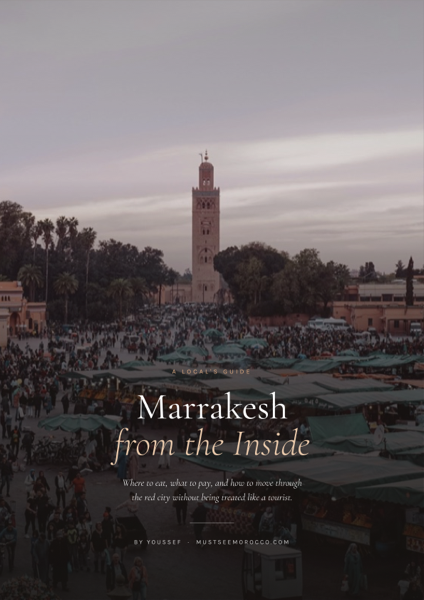
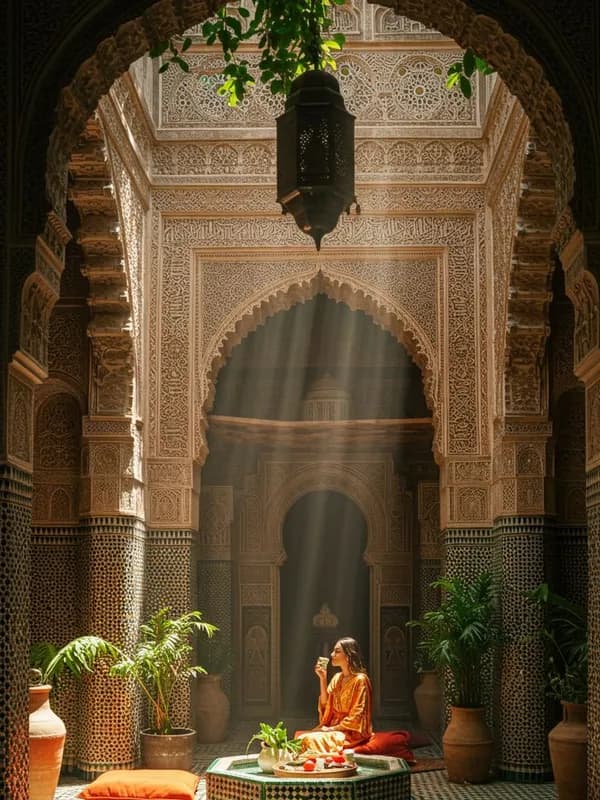
Traditional homes with courtyards, called riads or dar, dominate the medinas of Fez and Marrakech. The cheapest rooms still offer tiled fountains and a quiet rooftop, perfect for a night‑time tea. Book the first night online, then walk the lane to compare rates in person; you’ll often find a better deal a block away. In Marrakech, rooftop hostels line the square and give you a chance to meet fellow backpackers for group outings. Taghazout’s surf hostels combine a sea view with dorm‑style beds, letting you catch waves without inflating your nightly bill.
2. Eat where locals eat
Street stalls serve fresh sardines grilled on open flames, especially near the beach. A simple lunch of grilled fish, a piece of flatbread, and a glass of mint tea costs a fraction of tourist‑focused restaurants. Head to any souk at midday; the busiest stalls are the cheapest because locals are already eating there. Bring a refillable water bottle—most riads provide filtered water, so you can top up without buying plastic bottles.
3. Master the art of bargaining
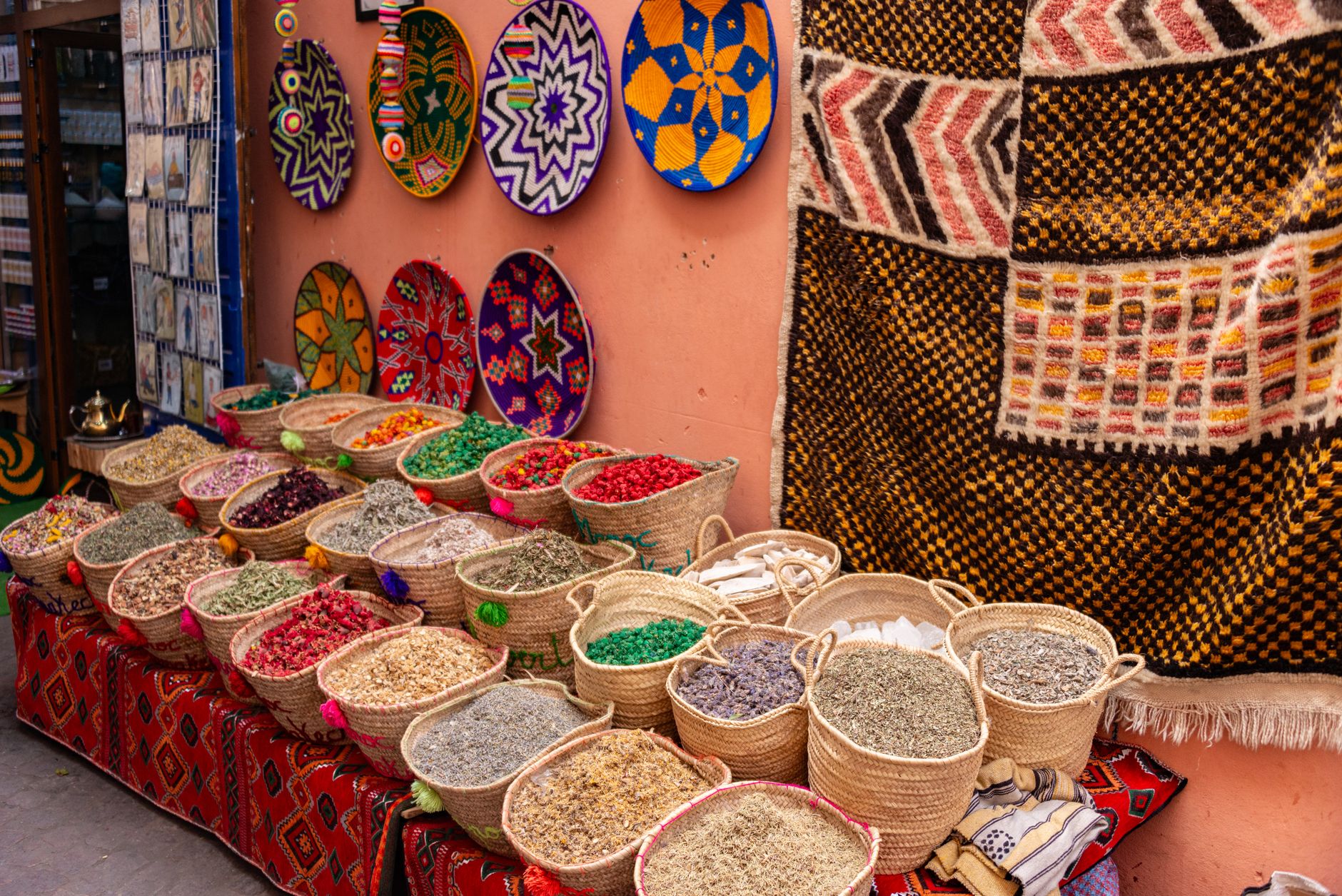
“Not Understanding Bargaining” is a common pitfall that leaves you paying double. In markets, start with an offer that’s 25 % of the seller’s asking price and negotiate upward. Keep your tone friendly; the goal is a win‑win. Gabby Travel advises you to practice this back‑and‑forth before you reach the souk, then confirm the final amount before the merchant wraps the item. If you’re buying several things, ask for a bundle discount; vendors love to close multiple sales at once.
4. Use public transport smartly
Morocco’s rail network, operated by ONCF, runs second‑class coaches that are inexpensive and reliable. The Al Boraq high‑speed train shaves two hours off the journey between Tangier and Casablanca, making a day trip feasible. Book tickets online or at the station to lock in the lowest fare. For city travel, Casablanca’s trams glide through palm‑lined avenues and cost next to nothing. When you need a short hop across town, petit taxis are the norm; they charge by the kilometer, so ask for the meter to be turned on before you set off.
5. Share rides between cities
Longer legs are cheapest when you hop into a shared taxi. Grands Taxis run set routes between towns and wait for passengers to fill the back seats. Agree on the fare before the driver pulls away; the price is the same whether the vehicle is full or you’re the sole passenger. If you’re traveling with other backpackers, a collective taxi—essentially a mini‑van—splits the cost even further. The trick is to ask around at the bus station; drivers will quote you the average price, giving you leverage to negotiate.
6. Choose free or cheap attractions
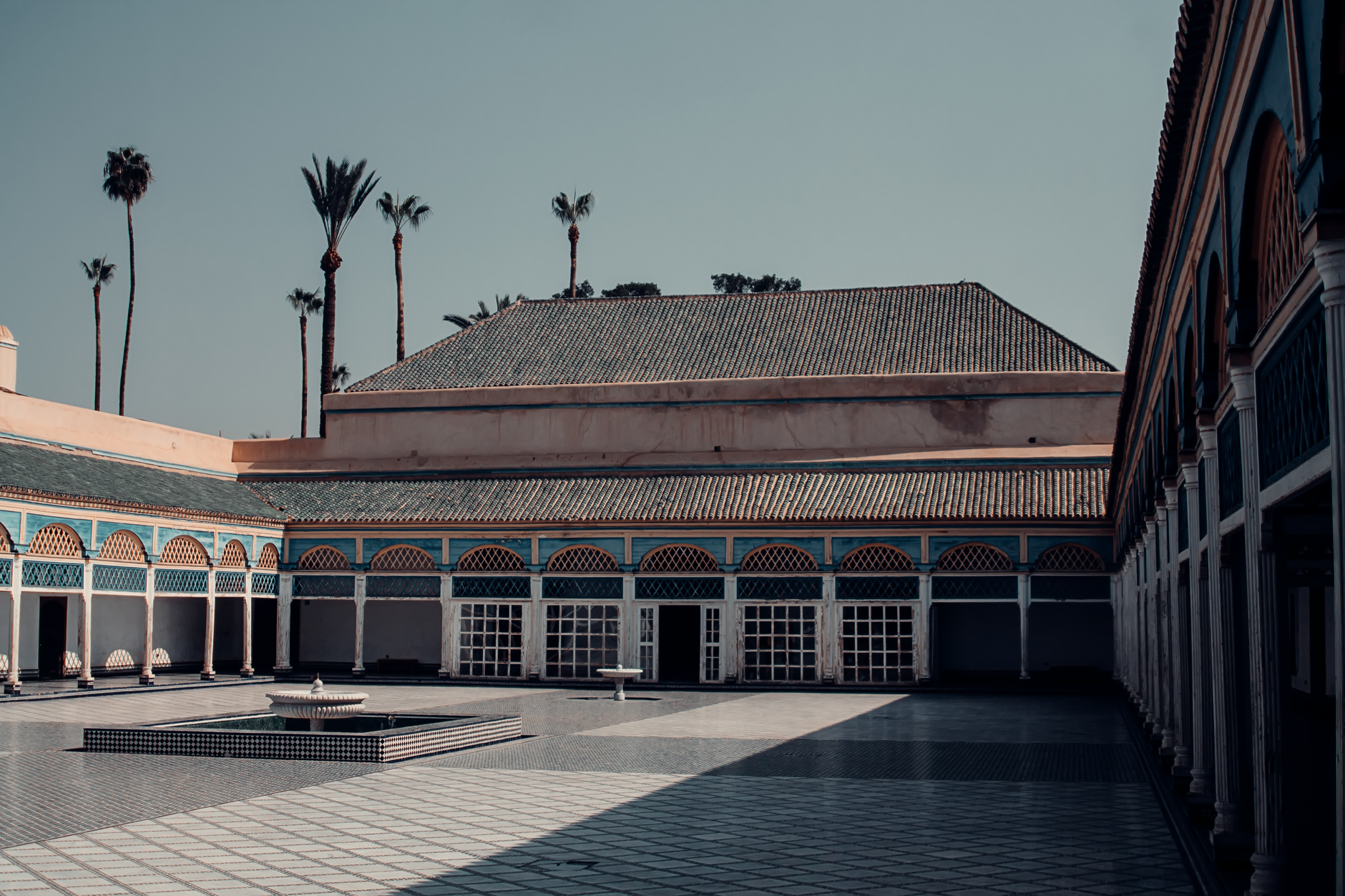
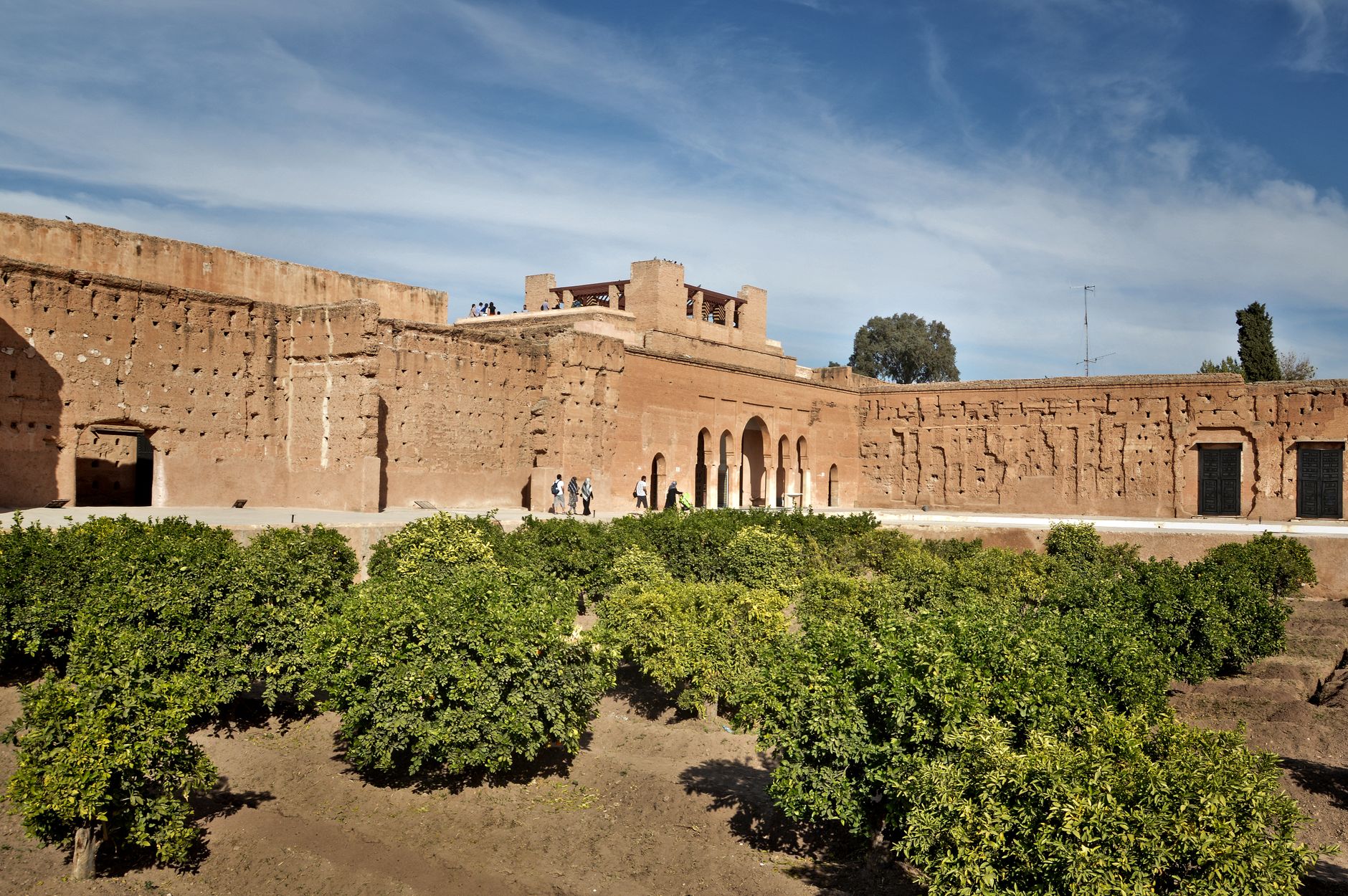
The medinas of Marrakech, Fez, and Essaouira are UNESCO sites you can wander without paying an entry fee. Inside the walls, you’ll find El Badi Palace and Bahia Palace; both charge modest amounts and are easy to explore on your own after a quick read of the guidebook. The Saadian Tombs also have a low fee and open early, so you can beat the crowds. For the pricier museums, A combined ticket for the Yves Saint Laurent Museum and Jardin Majorelle saves both money and queue time. If you qualify for student or senior discounts, the savings increase further.
7. Plan for the Sahara with a guided tour
Reaching the dunes often means hiring a driver or joining a caravan. A guided tour groups you with other travelers, spreads the cost of fuel, a desert camp, and a camel trek, and includes a knowledgeable guide who can point out the shifting geology. Because public buses rarely go beyond Merzouga, a tour is the most economical way to experience sunrise over the dunes without compromising safety.
8. Stay connected on a budget
Buying a local SIM from Maroc Telecom as soon as you land gives you data at a fraction of roaming rates. The prepaid plans load with enough megabytes for maps, translation apps, and occasional video calls. Activate the SIM at the airport kiosk or any official shop; avoid street vendors who may sell counterfeit chips.
9. Keep hydration low cost
Tap water is not recommended for drinking, but most hotels filter it for guest use. Fill your refillable bottle at the reception, then you’ll never need to purchase a plastic bottle again. This habit also reduces waste—a small environmental win on a tight budget.
10. Hot Tip: skip alcohol
Alcohol is available in tourist cafés, but it carries a premium price and limited availability during Ramadan. Opt for mint tea, fresh orange juice, or a local herbal infusion instead; you’ll stay hydrated and your wallet will thank you.
11. Sample five‑day budget itinerary
Day 1 – Arrival in Casablanca, explore the coast
Arrive at Mohammed V Airport, pick up a Maroc Telecom SIM, and catch the tram to the city centre. Walk the Corniche for free sea views, then head to a nearby market for a dinner of grilled kefta. Spend the night in a budget hostel near the tram line.
Day 2 – Casablanca to Rabat, then Fez
Take the ONCF train to Rabat; second class offers a comfortable ride at an inexpensive rate. In Rabat, visit the Kasbah of the Udayas—no fee required. Continue by CTM bus to Fez; the journey takes about three hours. Check into a budget riad in the medina, negotiate the nightly rate on arrival, and spend the evening strolling the narrow lanes.
Day 3 – Fez medina and day trip to Meknes
Rise early to beat the crowds at the Al‑Attarine souk; practice your bargaining skills while buying a handmade lantern. Join a shared taxi for a half‑day trip to Meknes; the driver will wait for you while you explore the Bab Mansour gate and the Royal Stables, both low‑cost sites. Return to Fez for a dinner of fresh sardines at the riverfront.
Day 4 – Atlas Mountains excursion
Book a budget‑friendly guided tour that departs from Fez in the morning and heads toward the Atlas Mountains. The group will travel by private minibus, stopping at a Berber village where you can share a simple lunch. The tour includes a short hike with panoramic views and a chance to photograph traditional mud‑brick houses. Evening return to Fez; enjoy a mint‑tea ceremony at your riad.
Day 5 – Sahara Desert via Merzouga
Take an early ONCF train to Errachidia, then transfer to a Grands Taxi bound for Merzouga. The driver will wait for you while you arrange a guided desert tour for the next morning. Spend the night in a modest guesthouse, then the following sunrise you’ll ride a camel over the dunes, all organized through the same guide you booked earlier. The tour includes a simple camp dinner and a night under the stars—an unforgettable experience without the luxury price tag.
FAQ
How can I avoid being overcharged in taxis?
Always ask the driver for the fare before you get in, and repeat the amount once you’re seated. If the driver hesitates, walk away and find another taxi. Grands Taxis that run set routes are transparent because the price is posted on a sign inside the vehicle.
What’s the safest way to withdraw cash?
Use ATMs located inside banks or hotel lobbies. These machines are monitored and less likely to be tampered with. Keep a mix of small bills and larger notes; you’ll need change for market purchases and tips.
Are credit cards accepted everywhere?
No. Most small shops, street food stalls, and souk vendors prefer cash. Carry enough Moroccan dirhams for daily expenses, and keep a backup card in a separate pocket for emergencies.
Can I visit any mosques as a tourist?
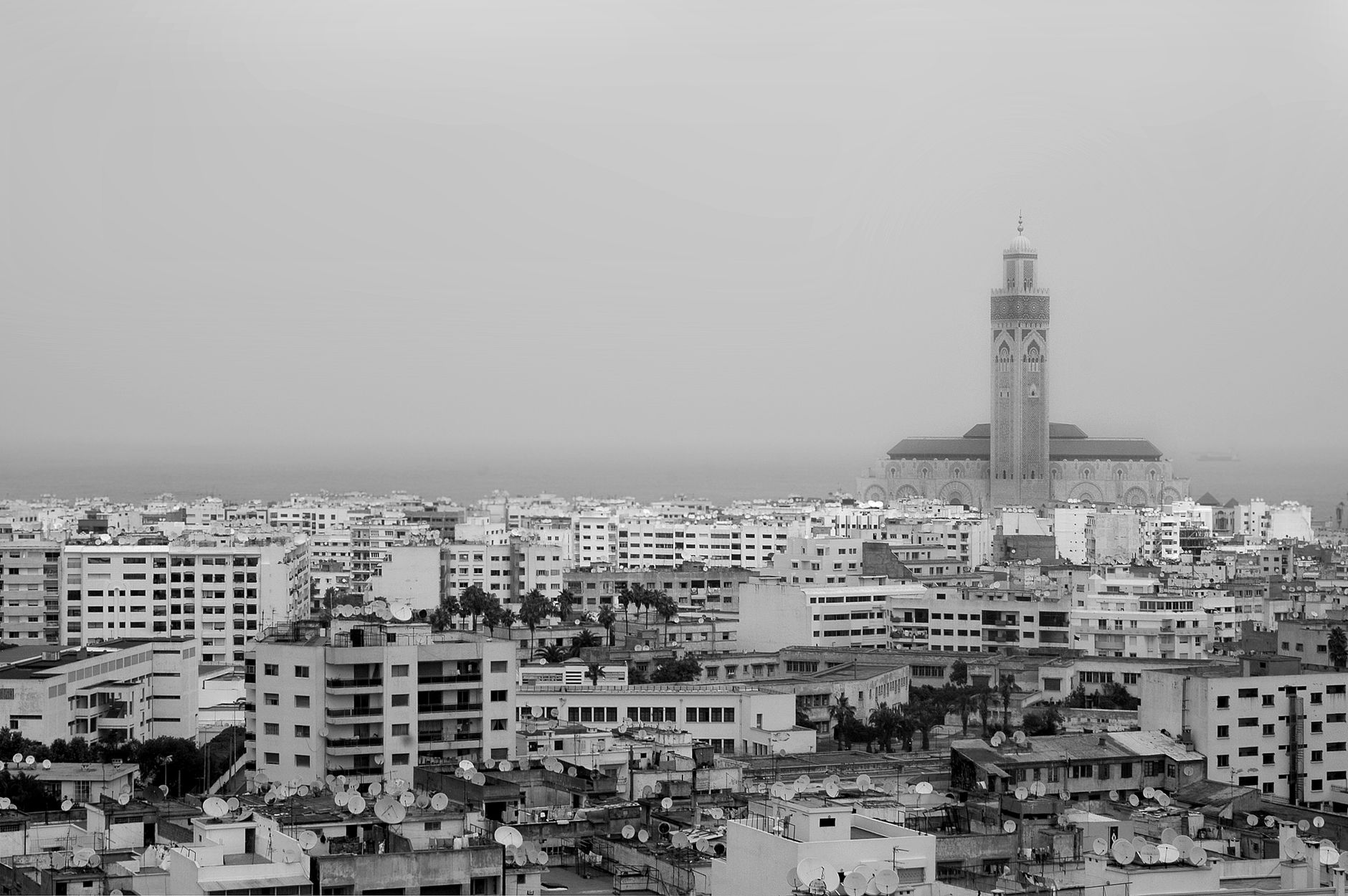
Non‑Muslims may only enter the Hassan II Mosque in Casablanca if they join a guided tour. For all other mosques, admire the exterior and the courtyard, then move on.
What’s the best time of day to explore popular sites like the Saadian Tombs?
Arrive right when they open; the early hour brings fewer visitors and cooler temperatures, letting you move through the galleries at a relaxed pace.
How do I keep my phone charged while traveling between cities?
Purchase a portable power bank before you leave the airport. Many cafés in tourist areas offer free charging sockets, but a personal bank guarantees you won’t be left without power during long bus rides.
Is it worth buying a combined ticket for museums?
Yes. The combined entry ticket for the Yves Saint Laurent Museum and Jardin Majorelle reduces the total cost and lets you skip separate queues, making it a smart choice for tight schedules.