Day 1 – Touch Down in Casablanca
Land at Mohammed V Airport in the late morning. Grab a petit taxi to your riad; the city’s traffic can be dense, so allow extra time for the short ride.
Morning / Afternoon – Walk the Corniche. The promenade runs beside the Atlantic and offers inexpensive cafés where you can sip mint tea while watching fishermen at work. Keep a few dirhams handy for street‑food stalls; most vendors prefer cash.
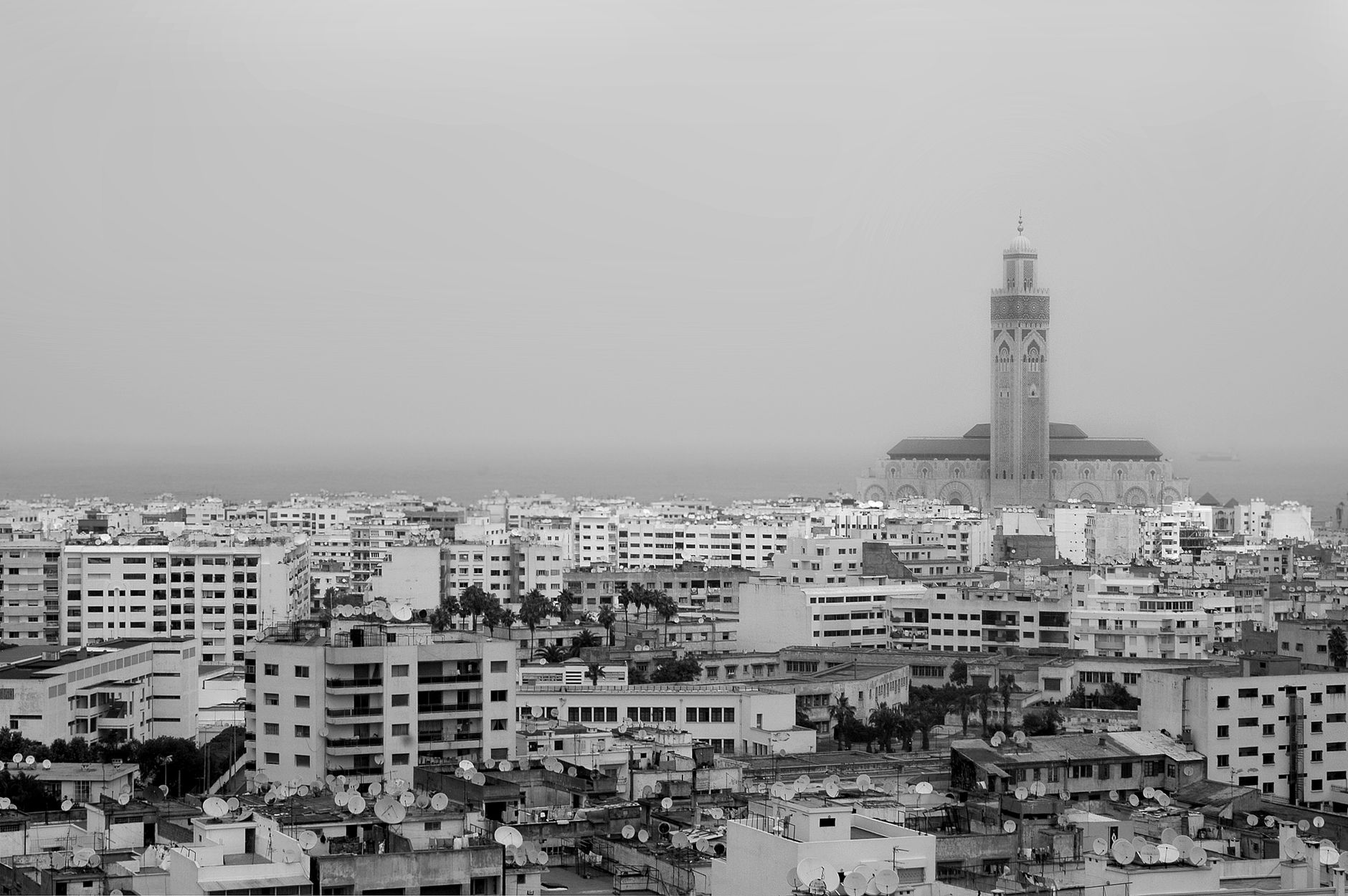
Evening – Head to the Hassan II Mosque. Non‑Muslims may join a guided tour that enters the prayer hall; otherwise you can admire the towering minaret and the ocean‑front courtyard from the outside. Dress modestly: shoulders and knees should be covered, and a headscarf is required for women inside the guided area.
Insider tip – The mosque’s tide‑driven fountain creates a cool breeze at sunset; arriving a half hour before closing lets you avoid the peak crowd of local worshippers.
Logistics – If your flight lands early, a private driver can wait at the airport for a few hours; otherwise the ONCF train to Rabat departs every hour from Casa‑Port and is the most reliable way to start the north‑south leg.
Day 2 – Marrakech: Palaces, Madrasas and the Red‑City Pulse
Take the ONCF train from Casablanca to Marrakech (≈2½ hours). The train stations in both cities have ticket windows that accept cash and cards; buying a return ticket at the start can save a short queue later.
Morning – Drop your bags at Riad la Caleche, a restored 19th‑century house with a central courtyard. The riad’s staff can arrange a petit taxi to the Medina entrance.
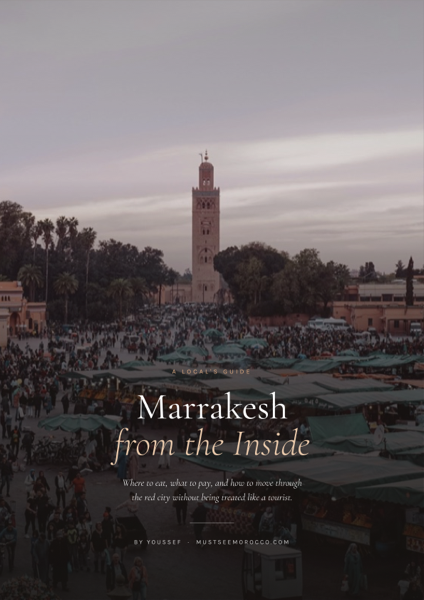
Mid‑day – Visit the Koutoubia Mosque’s exterior. Its 77‑metre minaret dominates the skyline; you can photograph it from the adjoining garden, but remember that entry is restricted to Muslims.
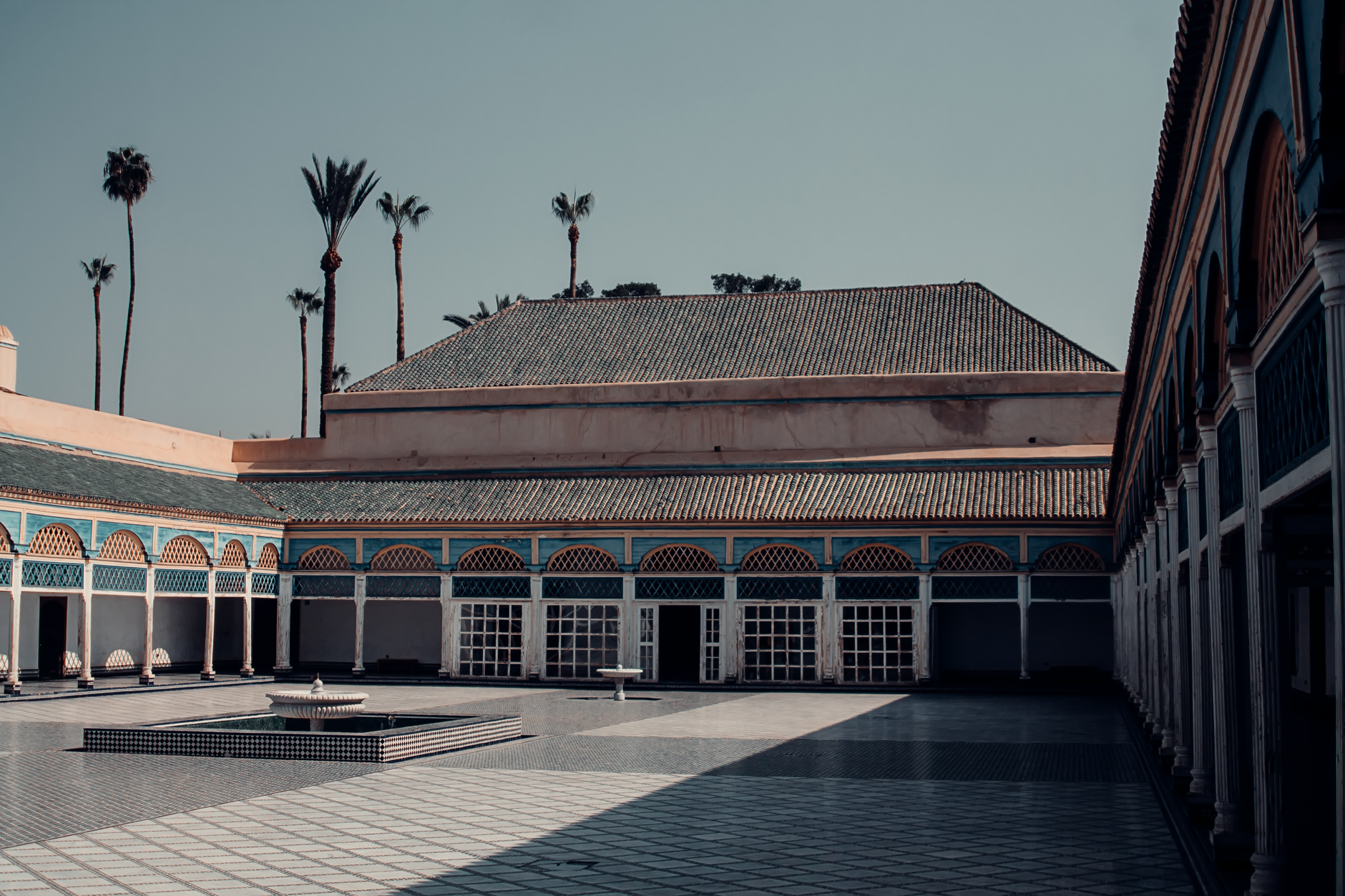
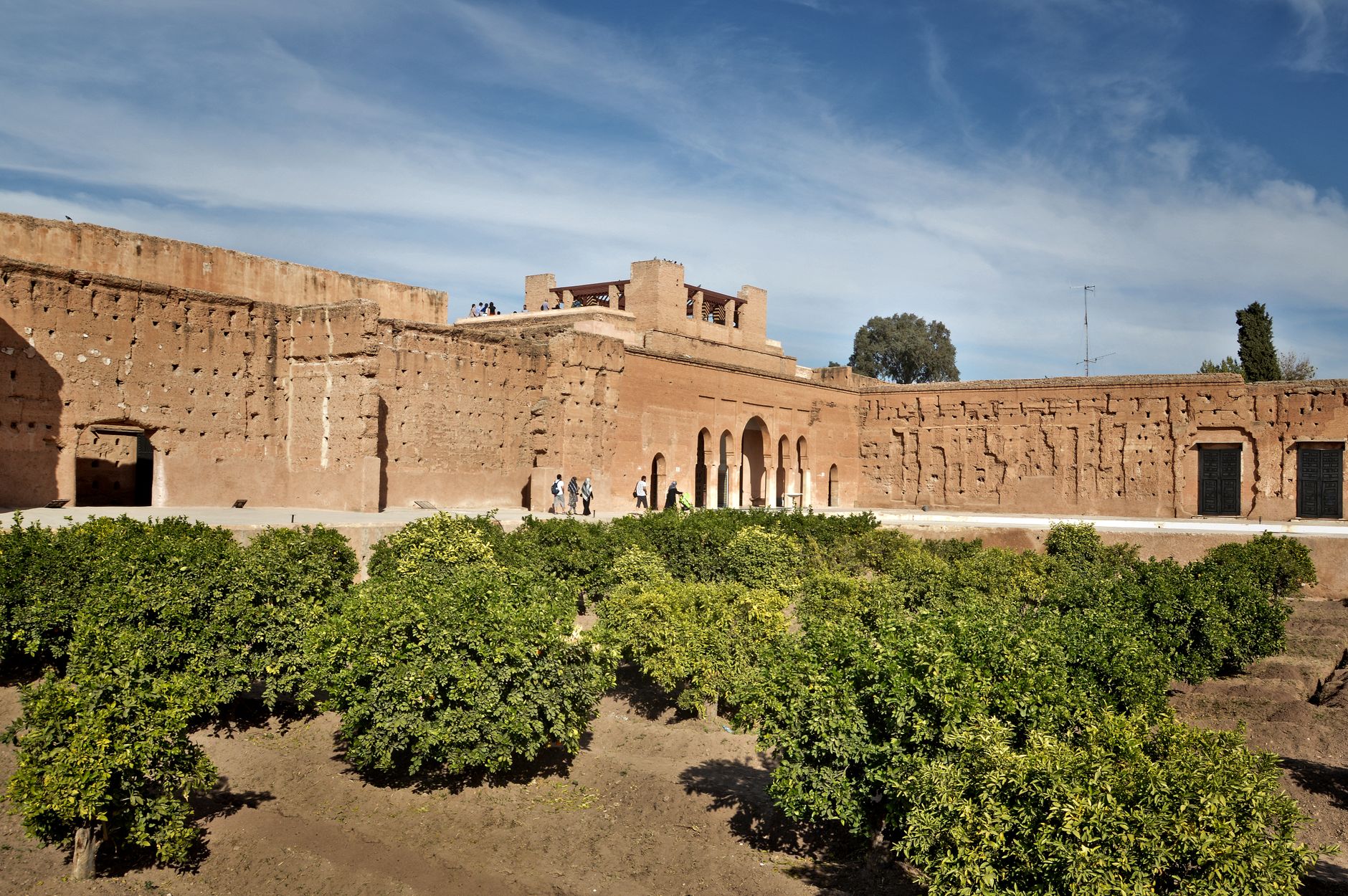
Afternoon – Walk to the Bahia Palace, a 19th‑century residence famed for its intricate tilework and carved cedar ceilings. The palace opens early; arriving right at opening avoids the midday rush of tour groups.
Late afternoon – Explore the Ben Youssef Madrasa, an Islamic school whose courtyard is lined with arches and a vaulted prayer hall. The site is modestly priced; keep small change for the ticket booth.
Evening – Stroll through the souks. A “Souks Tour” offered by many local guides lasts about two hours and highlights the best stalls for leather, ceramics and spices. Haggling is expected; start at half the asking price and negotiate politely.
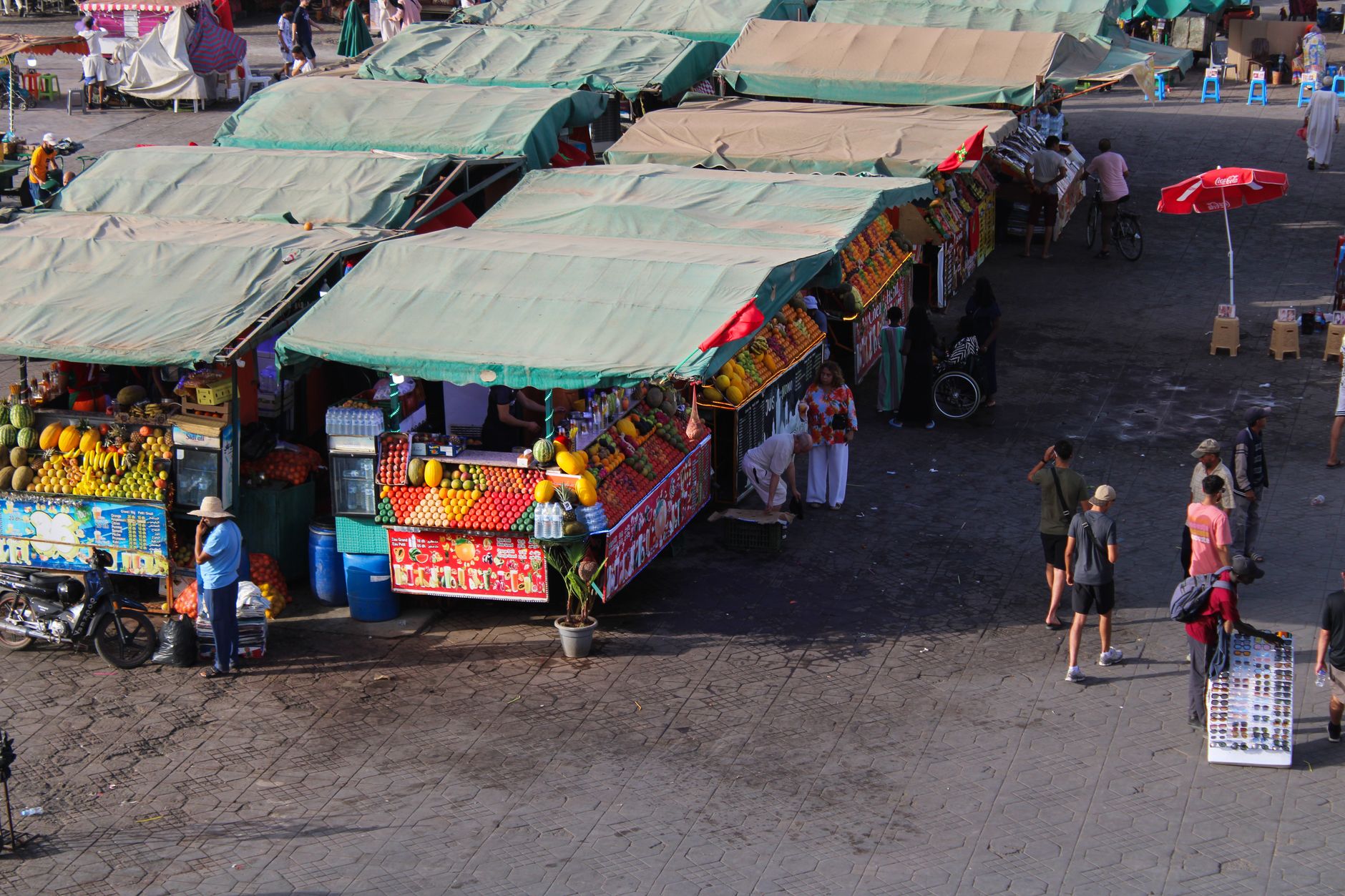
Dining – Dine at a rooftop restaurant overlooking the Jemaa el‑Fna square. The view of street performers at dusk is worth the extra walk.
Logistics – After dinner, catch a petit taxi back to your riad. Petit taxis in Marrakech run on a meter; confirm that the driver will use it before you get in.
Day 3 – From Marrakech to the Dades Valley
Early departure is essential; the drive to the Dades Valley takes roughly four hours by private driver. Arrange the vehicle through your riad or a reputable agency; they will provide a driver familiar with the mountain roads.
Morning – Stop at the Majorelle Gardens in Gueliz, Marrakech's new town before leaving the city. The gardens are famous for their cobalt‑blue walls and a collection of cacti; the adjacent Yves Saint Laurent Museum offers insight into the designer’s connection to Morocco. Arrive early to beat the school groups that arrive after 10 am.
Mid‑day – Continue eastward, crossing the High Atlas. The route offers several pull‑over spots for photo opportunities of the rugged landscape; keep your camera ready.
Afternoon – Arrive in the Dades Valley. The valley’s river cuts through red sandstone cliffs, creating a dramatic canyon. A short hike along the riverbank is accessible for most fitness levels.
Evening – Check into a guesthouse in the village of Toudra. Most accommodations here serve a simple dinner of tagine and fresh bread; a small tip for the host is appreciated.
Insider tip – Carry a reusable water bottle; water points are scarce in the valley and the heat can be intense even in spring.
Day 4 – Sahara Adventure: Camel Trekking and Desert Camp
Depart the Dades Valley at dawn; the drive to Merzouga (the gateway to the Erg Chebbi dunes) takes about four hours.
Morning – Arrive in Merzouga and meet your camel‑trek guide. The trek begins at sunrise, offering a cool start and spectacular light on the dunes. Guides typically provide a light breakfast of tea and pastries before setting out.
Mid‑day – The camel walk lasts three to four hours, with a brief stop for a traditional mint‑tea break. Keep your belongings in a small sack tied to the camel’s saddle.
Afternoon – Reach the desert camp set up on the dune’s crest. Luxury‑style desert camps provide real beds, private bathrooms and a bonfire area. Bring a warm layer; desert nights can drop to chilly temperatures even in late spring.
Evening – Enjoy a Berber‑style dinner of couscous with vegetables, followed by live music. The clear sky is ideal for stargazing; a guide can point out constellations.
Logistics – The camp arranges a pickup the next morning for the onward journey to Fes; confirm the departure time before you settle in for the night.
Day 5 – Crossing the Atlas to Fes
Leave the desert camp before sunrise to catch the early light for a desert‑to‑city drive. The journey to Fes takes roughly seven hours; a private driver is the most comfortable option, but CTM buses also run the route with a few stops.
Morning – Travel through the Ziz Valley, where date palms fringe the road. The scenery shifts from sand to rugged mountains as you approach the Middle Atlas.
Mid‑day – Stop in Ifrane, the “Swiss‑style” town known for its cedar forests. A quick lunch in the town square lets you stretch your legs.
Afternoon – Arrive in Fes. Check into Riad Rockech, a boutique riad located near the medina entrance. The riad’s staff can arrange a guided walking tour of the historic quarter.
Evening – Begin exploring Fes el‑Bali. The narrow lanes are best navigated on foot; keep an eye on your belongings and avoid flashing valuables.
Insider tip – The tanneries are most photogenic in the late afternoon when the sunlight hits the vats; a local guide can arrange a short visit that respects the workers’ schedules.
Day 6 – Blue Streets of Chefchaouen (or Coastal Option)
Two routes are possible; choose the one that matches your energy level.
Option A – Chefchaouen
Take a CTM or Supratours bus from Fes to Chefchaouen (≈4 hours). Buses depart early and have comfortable seats; bring a snack for the ride.
Afternoon – Wander the medina’s blue‑washed alleys. The color is a result of a historic practice of painting walls to repel mosquitoes.
Evening – Dine at a family‑run restaurant serving goat cheese and fresh olives. The town’s relaxed pace makes it easy to sit on a terrace and watch the sunset over the Rif mountains.
Option B – Essaouira Coastal Escape
If you prefer the Atlantic, board a bus from Fes to Essaouira (≈7 hours with a change in Marrakech).
Afternoon – Check into Dar Ness, a riad set in the historic Kasbah district. The riad’s courtyard offers a quiet spot to unwind after the long ride.
Evening – Walk the port, sample grilled sardines, and consider a short quad ride on the beach. For a more upscale stay, Hotel Cote Ocean sits right on the waterfront and provides easy access to the town’s promenade.
Side note – The nearby village of Sidi Kaouki is popular for kitesurfing; a short taxi ride can drop you at the beach if you have extra time.
Day 7 – Return to Casablanca (or Marrakech) for Departure
Your final day is a travel day, but there are a few last‑minute experiences you can fit in.
Morning – If you’re in Chefchaouen, catch an early bus back to Casablanca (≈5 hours). If you’re