Getting There: Marrakech → Imlil
The road from Marrakech to Imlil is a paved, 90‑minute climb that drops you from the city’s heat into a cool mountain valley at 1,800 m. The most reliable way to make the trip is to hire a private driver or book a shared “grand taxi” in the Marrakech taxi stand. Depart before 8 am to beat the midday traffic and to give yourself a full daylight window for the trek.
When you pull into the small parking lot at the edge of Imlil, you’ll notice the village has been reshaped by tourism: new tarmac, street lighting, and 4G signal. The first thing to do is to stretch your legs on the stone‑paved promenade and check the Apple Maps entry for the exact coordinates—useful if you need to send a location to a guide back in Marrakech.
Day‑Trip Option 1: The Classic Fast‑Track Toubkal Summit
Why This Route Works
Imlil is actually accessible unlike many remote mountain bases. From the village you can launch a “fast‑track” summit that condenses the classic two‑day Toubkal experience into a single vigorous day. The ascent starts with a 5‑hour trek to the CAF refuge at 3,200 m; from there the final push to Jebel Toubkal, the highest peak in Northern Africa, takes another 4 hours. The total elevation gain is steep, so you’ll need a good night’s sleep in Marrakech and a light, layered outfit.
What to Expect on the Trail
- Morning departure – Meet your guide at the guesthouse entrance by 7 am. Most guides are certified by the Moroccan Ministry of Tourism and will handle mules, food packs, and navigation.
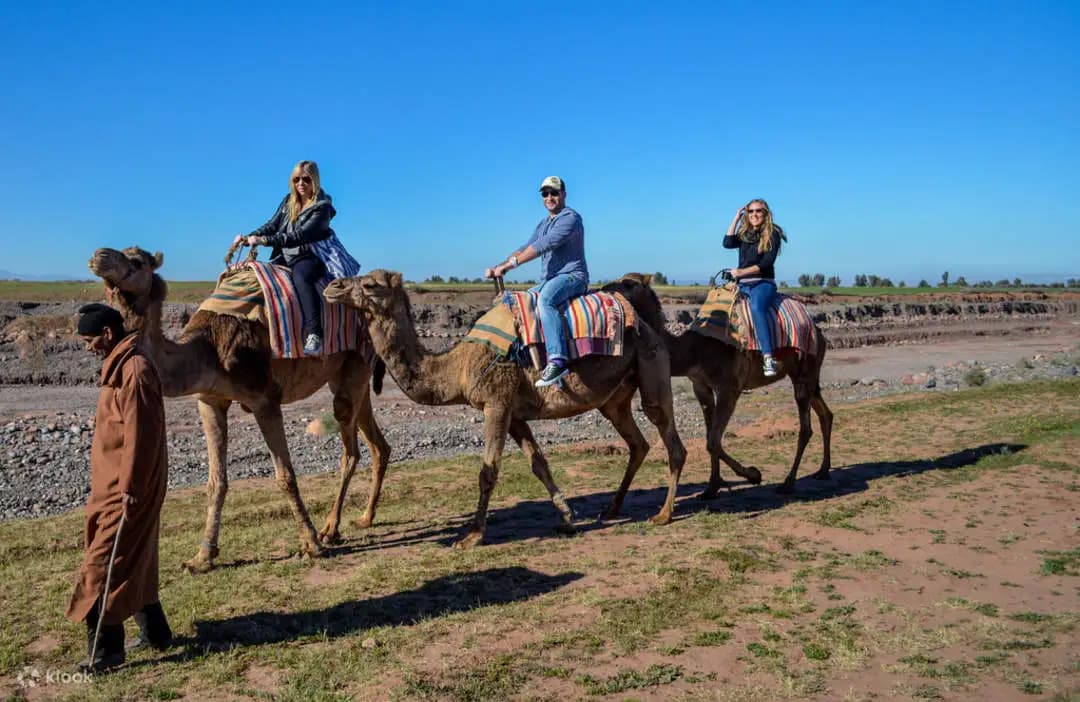
- Mule assistance – If you’re traveling with kids or prefer a lighter load, arrange a mule in Imlil. Mules are the main transport for supplies and can carry a day‑pack for you.
- Refuge stop – At the CAF refuge you’ll find simple dormitory‑style rooms, a communal kitchen, and hot tea. The refuge is inexpensive and the staff will refill your water bottles.
- Summit push – The last segment to the summit is a steep scramble across rocky scree. The view from the top stretches across the High Atlas, the Sahara fringe, and the distant Atlantic on a clear day.
After‑Summit Cool‑Down
Descend to Imlil by early afternoon. Most trekkers opt for a short rest in a local café before heading back to Marrakech. The descent is faster than the ascent, but keep your footing on loose stones.
Day‑Trip Option 2: Valley Walk, Waterfall Picnic & Mule Ride
If the summit feels too ambitious, the Imlil valley offers a gentler day that still showcases the Atlas Mountains’ dramatic scenery.
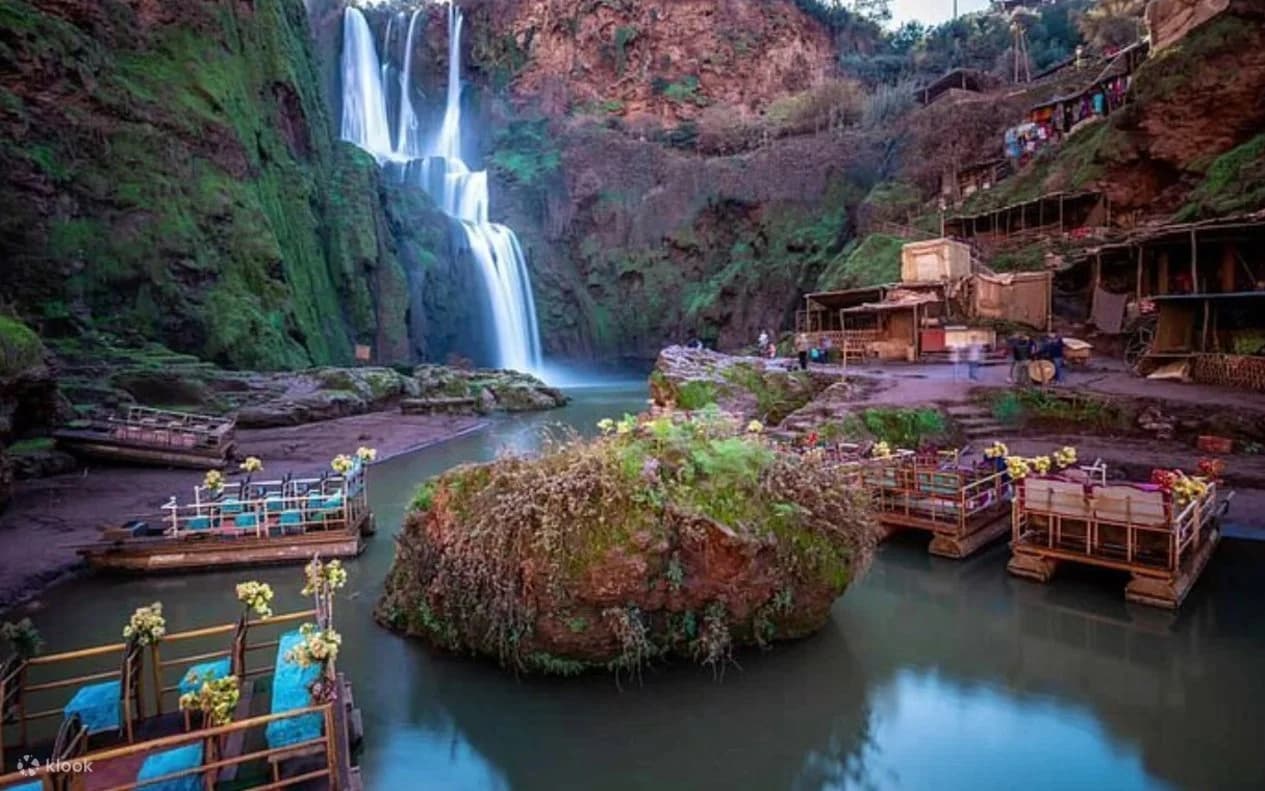
- Morning stroll – Start at the village square and follow the trail toward the cascade of water just outside Imlil. The waterfall is a favorite spot for photos and a quick splash.
- Berber village hop – Continue to the neighboring hamlet of Tamatert. Here you’ll see traditional stone houses and a small market where locals sell goat cheese and dried figs.
- Mule‑carried lunch – Arrange a mule to bring a packed lunch from your accommodation. Many guesthouses, such as Riad Atlas Prestige, prepare a three‑course meal that includes a tagine, a fresh salad, and a dessert. The restaurant serves these dishes at a modest rate and includes a continental breakfast each morning.
- Scenic return – Walk back along a different trail that skirts the ridge, offering panoramic views of the surrounding peaks.
This itinerary can be completed in 6‑7 hours, leaving plenty of time to enjoy Marrakech’s evening attractions.
Where to Eat: Mountain‑Side Meals Worth the Detour
Riad Atlas Prestige
Located on the main road through Imlil, this riad offers a daily continental breakfast and a menu that rotates between tagine, couscous, and a weekend‑only couscous special. The kitchen sources vegetables from the valley gardens, so the flavors feel exceptionally fresh. The dining room opens onto a terrace where you can watch mules loading supplies for the next trek.
Etoiles Toubkal Restaurant
For a more upscale experience, the Etoiles Toubkal restaurant provides fine dining with a focus on seasonal Moroccan cuisine. Their menu lists tagines, salads, and a selection of vegetarian, vegan, lactose‑free, and gluten‑free dishes. The chef emphasizes “fresh flavors dive” into regional produce, and the setting includes a view of the surrounding peaks.
Quick Snack Options
If you’re on a tight schedule, stop at a roadside tea stall for mint tea and a handful of berber‑style olives. These stalls are inexpensive and give you a quick energy boost before the next ascent.
Post‑Hike Relaxation Back in Marrakech
After a day in the mountains, you’ll likely crave a soothing soak. Marrakech offers two very different hammam experiences:
- Neighborhood hammams – Small, family‑run facilities charge an inexpensive entry fee and provide a traditional steam room, exfoliation, and a simple soap massage. Expect a relaxed atmosphere and a chance to chat with locals.
- Tourist‑oriented spa hammams – Larger establishments in the medina charge a pricier rate but include heated marble rooms, aromatherapy oils, and a full body scrub. These are perfect if you want a more polished pampering session.
When you’re ready to explore Marrakech’s cultural sites, keep these practical notes in mind:
- Koutoubia Mosque – Non‑Muslims may only view the exterior and its gardens. The interior is off‑limits, so plan a quick photo stop from the courtyard.
- Jardin Majorelle – This iconic garden requires online advance booking. Slots fill quickly, especially in the high season, so reserve your ticket the night before your hike.
- Dar Si Said, Musée de Marrakech, and Le Jardin Secret – All three are within walking distance of the medina’s main square and offer a deeper look at Moroccan art, history, and horticulture. No entry fees for the museums, but the garden has a modest admission price.
Practical Insider Tips
| Topic | Insider Advice |
|---|---|
| Timing | Leave Marrakech by 7 am for the summit trek; the waterfall walk can start a bit later, around 9 am. |
| Dress Code | Wear breathable layers, a wind‑proof jacket, and sturdy hiking boots. A hat and sunglasses are essential for the sunny summit. |
| Cash vs. Card | Small villages and mountain cafés accept cash only. Carry enough Moroccan dirhams for meals, mule fees, and tips. |
| Handling Tout | In Marrakech, street touts may approach you near the main square. A polite “no thank you” in Arabic (“la shukran”) usually ends the conversation. |
| Guides & Mules | Book a guide through a reputable local association. Guides typically bundle transport, food, and accommodation into a single fee, making logistics smoother. |
| Connectivity | Wi‑Fi is available in most guesthouses, but signal drops on the trails. Expect “constant connectivity” to be limited once you leave the village. |
| Seasonal Variations | The keeps it fresh mantra holds true: spring brings wildflowers, summer offers clear skies, autumn yields crisp air, and winter can bring snow on the summit. Pack accordingly. |
| Safety | Altitude sickness can affect anyone above 2,500 m. Stay hydrated, move at a steady pace, and listen to your guide’s advice. |
| Cultural Respect | When entering a local home or guesthouse, remove shoes at the threshold. Always ask before photographing people. |
FAQ
How early should I leave Marrakech for a day‑trip to Imlil?
Aim to depart before 7 am. This gives you enough daylight for either the fast‑track summit or the valley walk, and it helps you avoid the midday heat in the medina.
Can I hike to Jebel Toubkal without a guide?
Technically you can, but the trail is not marked in the same way as European paths, and the refuge at 3,200 m requires a reservation. Hiring a certified guide ensures you have a mule for supplies, a safe route, and a local perspective on the Berber culture.
What’s the best place to eat after a trek in Imlil?
Both Riad Atlas Prestige and Etoiles Toubkal offer hearty Moroccan dishes. Riad Atlas Prestige provides a traditional tagine in a relaxed setting, while Etoiles Toubkal delivers fine‑dining quality with seasonal ingredients and dietary options.
Are there any mosques I can enter as a non‑Muslim in Marrakech?
Non‑Muslims cannot enter the interiors of mosques. You may admire the Koutoubia Mosque from the outside and stroll through its gardens, but the prayer hall remains off‑limits. For an interior view, the only exception in Morocco is a guided tour of the Hassan II Mosque in Casablanca.