January
January is one of the coolest months in Morocco, with average temperatures ranging from 12°C to 18°C (54°F to 64°F). It's an excellent time to explore the cities, such as Marrakech and Fez, without the sweltering heat. The Atlas Mountains are also a great destination in January, with snow-covered peaks and frozen lakes. If you're planning to visit the mountains, consider hiring a private driver or taking a CTM bus from Marrakech to Imlil, the starting point for many hiking trails.
Events and Festivals
In January, Morocco celebrates the Festival of Epiphany, which marks the beginning of the cultural calendar. You can also catch the Marrakech International Film Festival, which showcases Moroccan and international cinema. To avoid crowds, consider visiting the festival venues early in the morning or later in the evening.
February
February is a great time to visit Morocco's coastal cities, such as Essaouira and Taghazout, which enjoy mild temperatures and fewer tourists. The weather is ideal for water sports, such as surfing and kitesurfing, and you can find plenty of rental shops and lessons available. When exploring the medinas, be prepared for narrow streets and alleys, and consider hiring a local guide to help you navigate.
Tips for Visiting Medina
When visiting the medina, dress modestly and respectfully, covering your shoulders and knees. You can also hire a petit taxi to take you to the medina entrance, but be prepared to walk and navigate the narrow streets on foot. When interacting with street vendors, be polite and firm, and don't feel obligated to make a purchase.
March
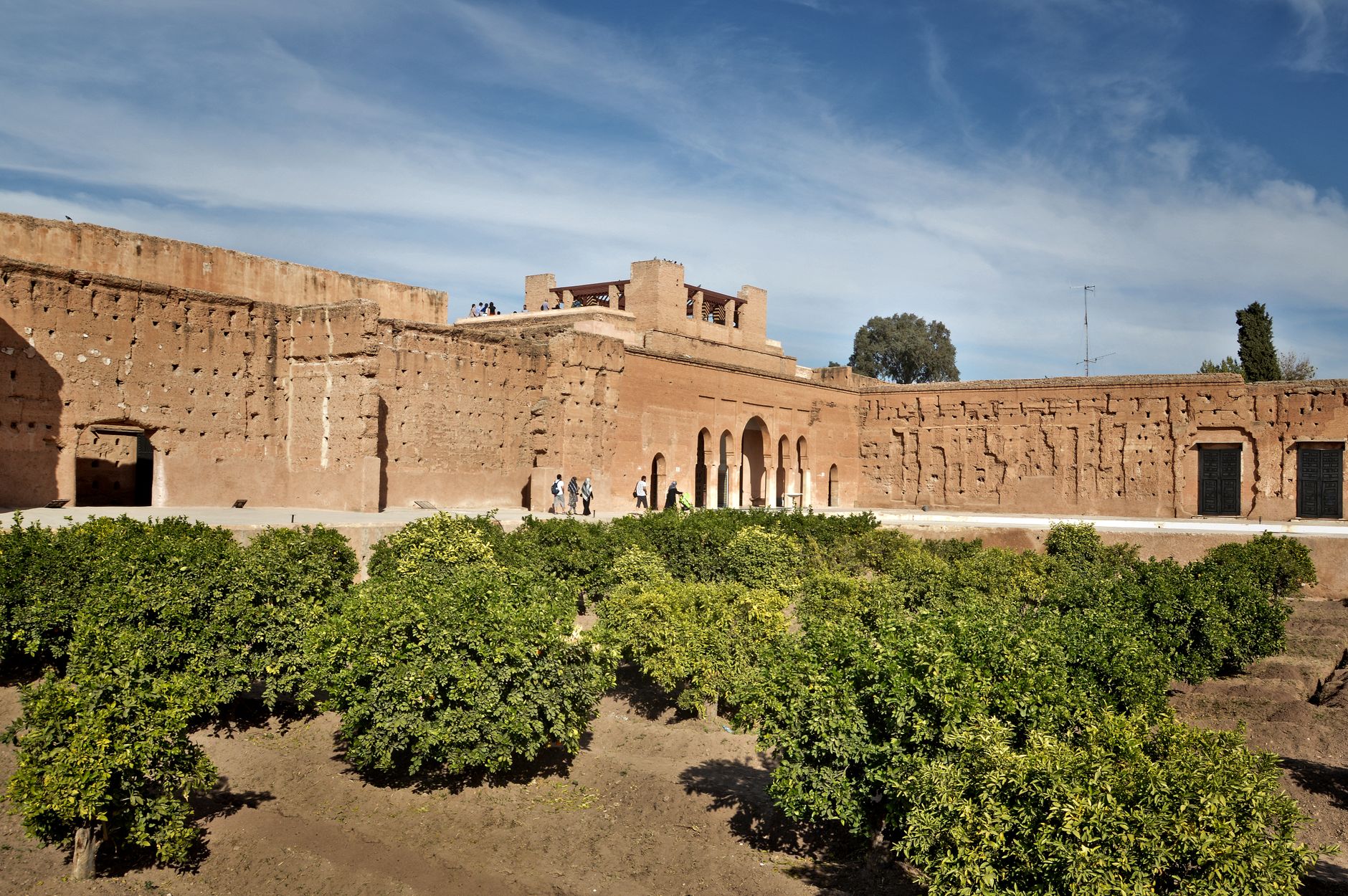
March is a popular time to visit Morocco, with spring in full bloom and temperatures rising. The cities are bustling with activity, and the countryside is lush and green. It's an excellent time to visit the Imperial Cities, such as Meknes and Rabat, which are filled with history and culture. When visiting the Imperial Cities, consider taking an ONCF train, which offers a convenient and comfortable way to travel between cities.
Imperial City Itineraries
A typical day in Meknes might include visiting the Mausoleum of Moulay Ismail, exploring the Medina, and admiring the exterior of the Grand Mosque. In Rabat, you can visit the Royal Palace, the Kasbah of the Udayas, and the Mohammed V Mausoleum. Be sure to check the opening hours and dress codes for each site, and consider hiring a local guide to help you navigate the cities.
April
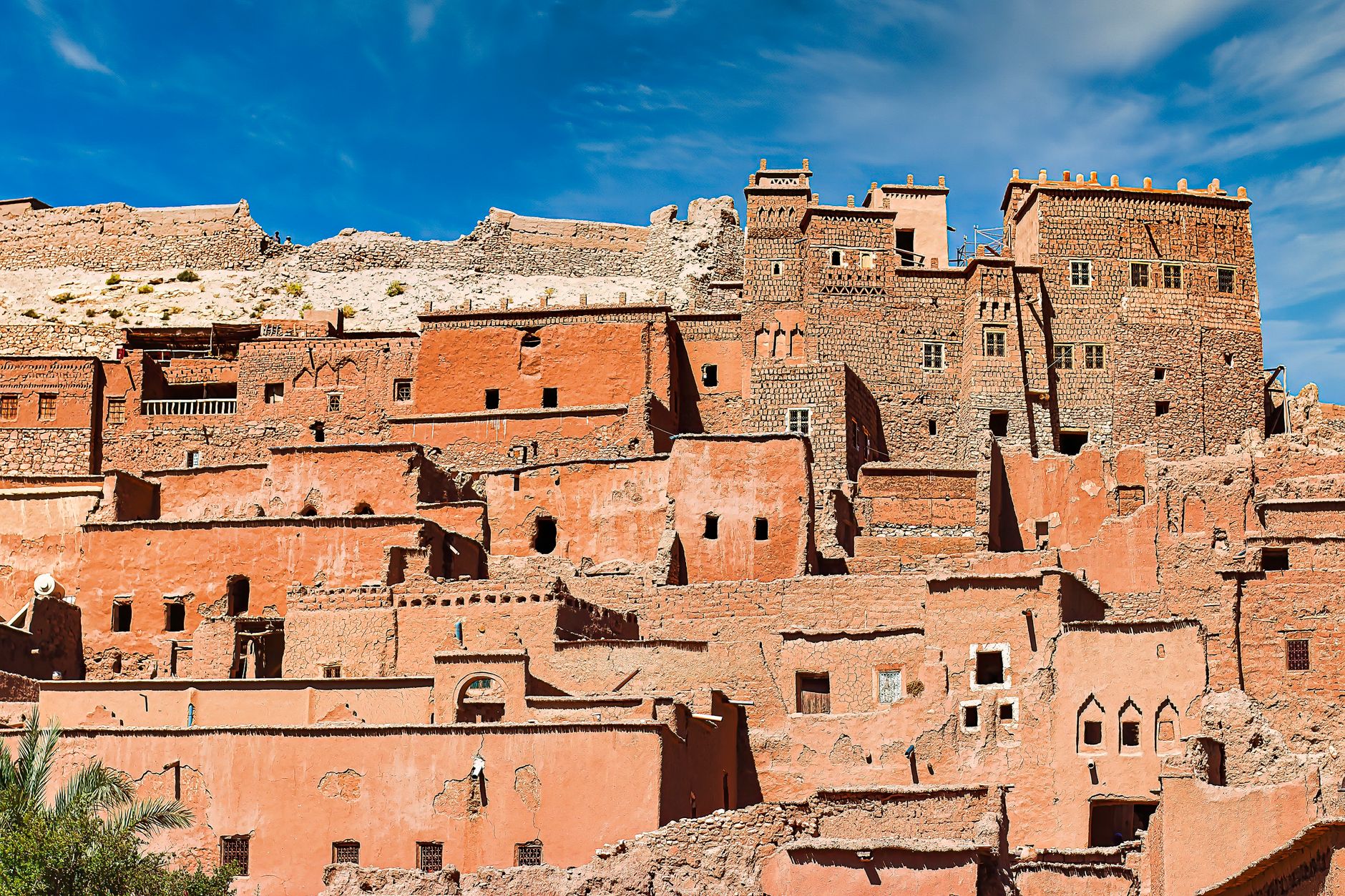
April is a great time to visit Morocco's desert regions, such as Merzouga and Zagora, which are warm and sunny. The desert landscapes are breathtaking, and you can take a camel trek or a 4x4 excursion to explore the dunes. When traveling to the desert, be prepared for long transit times and consider hiring a private driver or taking a Supratours bus.
Desert Safety
When traveling in the desert, be sure to stay hydrated, wear sunscreen, and bring a hat and sunglasses. You should also be respectful of the local Berber communities and their traditions. When interacting with your desert guides, be clear and direct about your expectations and boundaries.
May
May is a popular time to visit Morocco, with warm weather and a vibrant cultural calendar. The Fez Festival of World Sacred Music takes place in May, which showcases music and dance from around the world. When attending the festival, consider arriving early to secure a good spot, and be prepared for large crowds.
Festival Tips
When attending the festival, be respectful of the performers and the audience, and follow the instructions of the festival staff. You can also explore the nearby Medina, which is filled with historic landmarks and cultural attractions. When navigating the medina, consider hiring a local guide to help you find the best spots.
June
June is one of the hottest months in Morocco, with temperatures often reaching 35°C (95°F) or more. It's a great time to visit the coastal cities, such as Casablanca and Tangier, which are cooler and more pleasant. When visiting the coastal cities, consider taking a stroll along the waterfront, visiting the local markets, and trying some of the fresh seafood.
Coastal City Itineraries
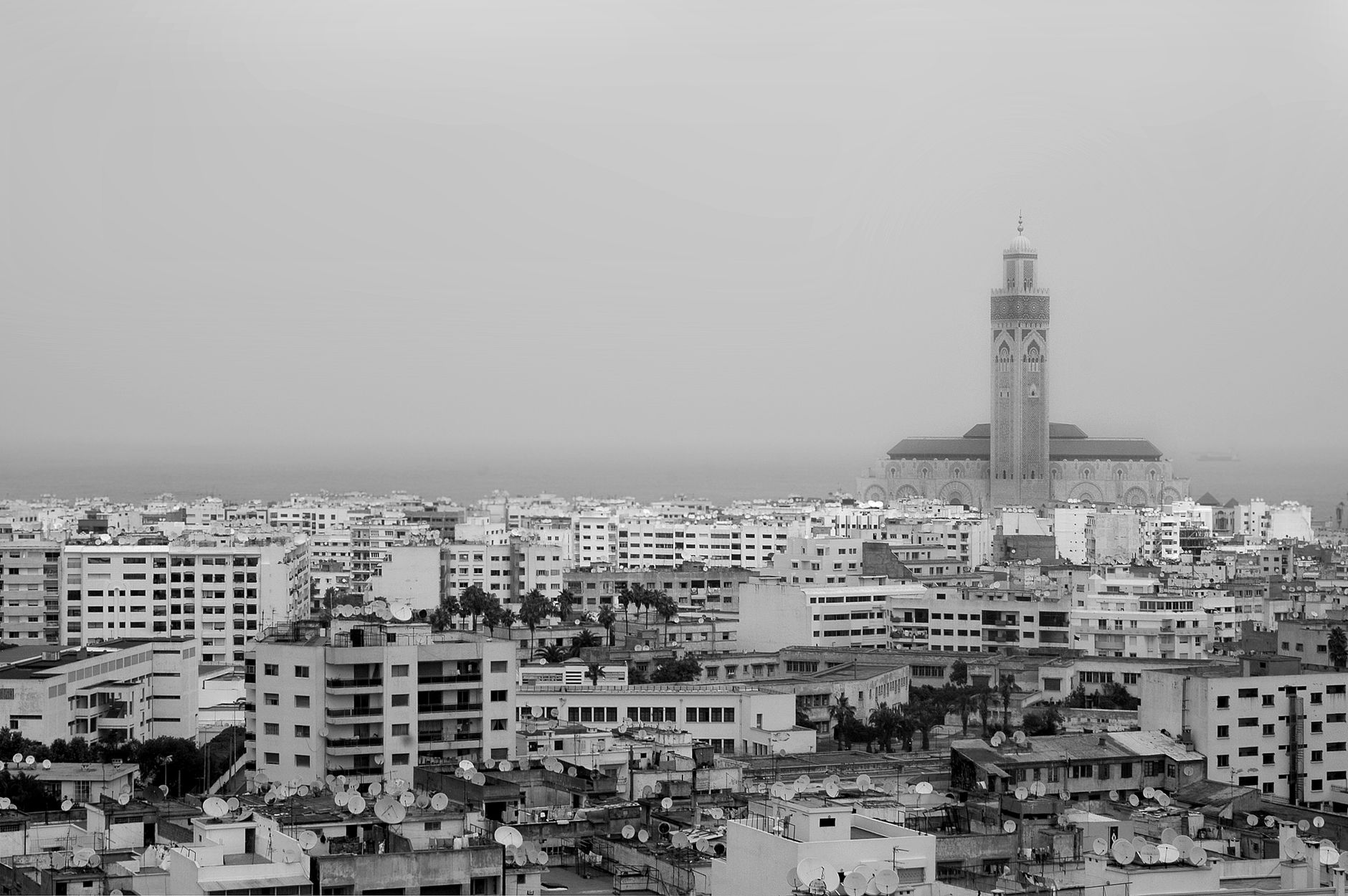
A typical day in Casablanca might include visiting the Hassan II Mosque, exploring the Old Medina, and admiring the exterior of the Royal Palace. In Tangier, you can visit the Kasbah, the Medina, and the American Legation Museum. Be sure to check the opening hours and dress codes for each site, and consider hiring a local guide to help you navigate the cities.
July
July is peak tourist season in Morocco, with hot weather and large crowds. It's a great time to visit the Atlas Mountains, which are cooler and more pleasant. You can take a hike, go trekking, or simply enjoy the scenic views. When traveling to the mountains, be prepared for long transit times and consider hiring a private driver or taking a CTM bus.
Mountain Safety
When traveling in the mountains, be sure to stay hydrated, wear sunscreen, and bring a hat and sunglasses. You should also be respectful of the local Berber communities and their traditions. When interacting with your mountain guides, be clear and direct about your expectations and boundaries.
August
August is one of the hottest months in Morocco, with temperatures often reaching 40°C (104°F) or more. It's a great time to visit the coastal cities, such as Essaouira and Agadir, which are cooler and more pleasant. When visiting the coastal cities, consider taking a stroll along the waterfront, visiting the local markets, and trying some of the fresh seafood.
Coastal City Itineraries
A typical day in Essaouira might include visiting the Skalla de la Ville, exploring the Medina, and admiring the exterior of the Grand Mosque. In Agadir, you can visit the Kasbah, the Medina, and the Souk El Had. Be sure to check the opening hours and dress codes for each site, and consider hiring a local guide to help you navigate the cities.
September
September is a great time to visit Morocco, with warm weather and a vibrant cultural calendar. The Marrakech International Film Festival takes place in September, which showcases Moroccan and international cinema. When attending the festival, consider arriving early to secure a good spot, and be prepared for large crowds.
Festival Tips
When attending the festival, be respectful of the performers and the audience, and follow the instructions of the festival staff. You can also explore the nearby Medina, which is filled with historic landmarks and cultural attractions. When navigating the medina, consider hiring a local guide to help you find the best spots.
October
October is a popular time to visit Morocco, with mild temperatures and a lively atmosphere. The Fez Festival of World Sacred Music takes place in October, which showcases music and dance from around the world. When attending the festival, consider arriving early to secure a good spot, and be prepared for large crowds.
Festival Tips
When attending the festival, be respectful of the performers and the audience, and follow the instructions of the festival staff. You can also explore the nearby Medina, which is filled with historic landmarks and cultural attractions. When navigating the medina, consider hiring a local guide to help you find the best spots.
November
November is a great time to visit Morocco, with mild temperatures and a vibrant cultural calendar. The Marrakech International Film Festival takes place in November, which showcases Moroccan and international cinema. When attending the festival, consider arriving early to secure a good spot, and be prepared for large crowds.
Festival Tips
When attending the festival, be respectful of the performers and the audience, and follow the instructions of the festival staff. You can also explore the nearby Medina, which is filled with historic landmarks and cultural attractions. When navigating the medina, consider hiring a local guide to help you find the best spots.
December
December is one of the coolest months in Morocco, with average temperatures ranging from 12°C to 18°C (54°F to 64°F). It's an excellent time to explore the cities, such as Marrakech and Fez, without the sweltering heat. The Atlas Mountains are also a great destination in December, with snow-covered peaks and frozen lakes. When traveling to the mountains, be prepared for long transit times and consider hiring a private driver or taking a CTM bus.
Mountain Safety
When traveling in the mountains, be sure to stay hydrated, wear sunscreen, and bring a hat and sunglasses. You should also be respectful of the local Berber communities and their traditions. When interacting with your mountain guides, be clear and direct about your expectations and boundaries.
FAQ
What is the best time to visit Morocco?
The best time to visit Morocco depends on your preferences and what you want to do. If you prefer mild temperatures and a lively atmosphere, consider visiting in the spring or fall. If you prefer warm weather and a vibrant cultural calendar, consider visiting in the summer. If you prefer cooler temperatures and a more relaxed atmosphere, consider visiting in the winter.
How do I get around Morocco?
Morocco has a well-developed transportation system, with buses, trains, and taxis available. You can take a CTM or Supratours bus to travel between cities, or hire a private driver for a more personalized experience. You can also take a petit taxi to get around the cities, but be sure to agree on the price before you start your journey.
What should I wear in Morocco?
Morocco is a conservative country, and you should dress modestly and respectfully. Cover your shoulders and knees, and avoid revealing clothing. You can also consider wearing a scarf or a hat to protect yourself from the sun. When visiting mosques or other cultural sites, be sure to dress conservatively and follow the instructions of the site staff.
Can I enter mosques in Morocco?
Non-Muslims are not allowed to enter mosques in Morocco, with the exception of the Hassan II Mosque in Casablanca, which offers guided tours. When visiting the exterior of a mosque, be respectful and considerate of the worshipers and the community. You can also consider hiring a local guide to help you understand the history and significance of the mosque.