1. How far you want to be from Marrakech
The first decision is distance. Agafay sits just 45 km southwest of Marrakech; a private driver or a petit taxi can drop you off in 45 minutes, and the return trip fits easily into a single day. The Sahara, by contrast, requires a multi‑hour road leg. The classic route from Marrakech to Merzouga (the gateway to the dunes) is roughly 560 km and takes 8–9 hours on the N9 and R704 highways. If you prefer to sleep on the road, a night in Ouarzazate or Tinghir breaks up the journey, but you should still allocate at least two full days for travel alone.
2. What the landscape actually looks like
Agafay is a high‑plain of gray‑white granite stones, sparse scrub and occasional oasis palms. The terrain feels lunar, and the horizon is flat enough that you can see the Atlas Mountains in the distance on a clear day. The Atlas Mountains trek is a common day‑trip from Marrakech that many adventure seekers add to their itinerary, offering a stark contrast to the stone desert.
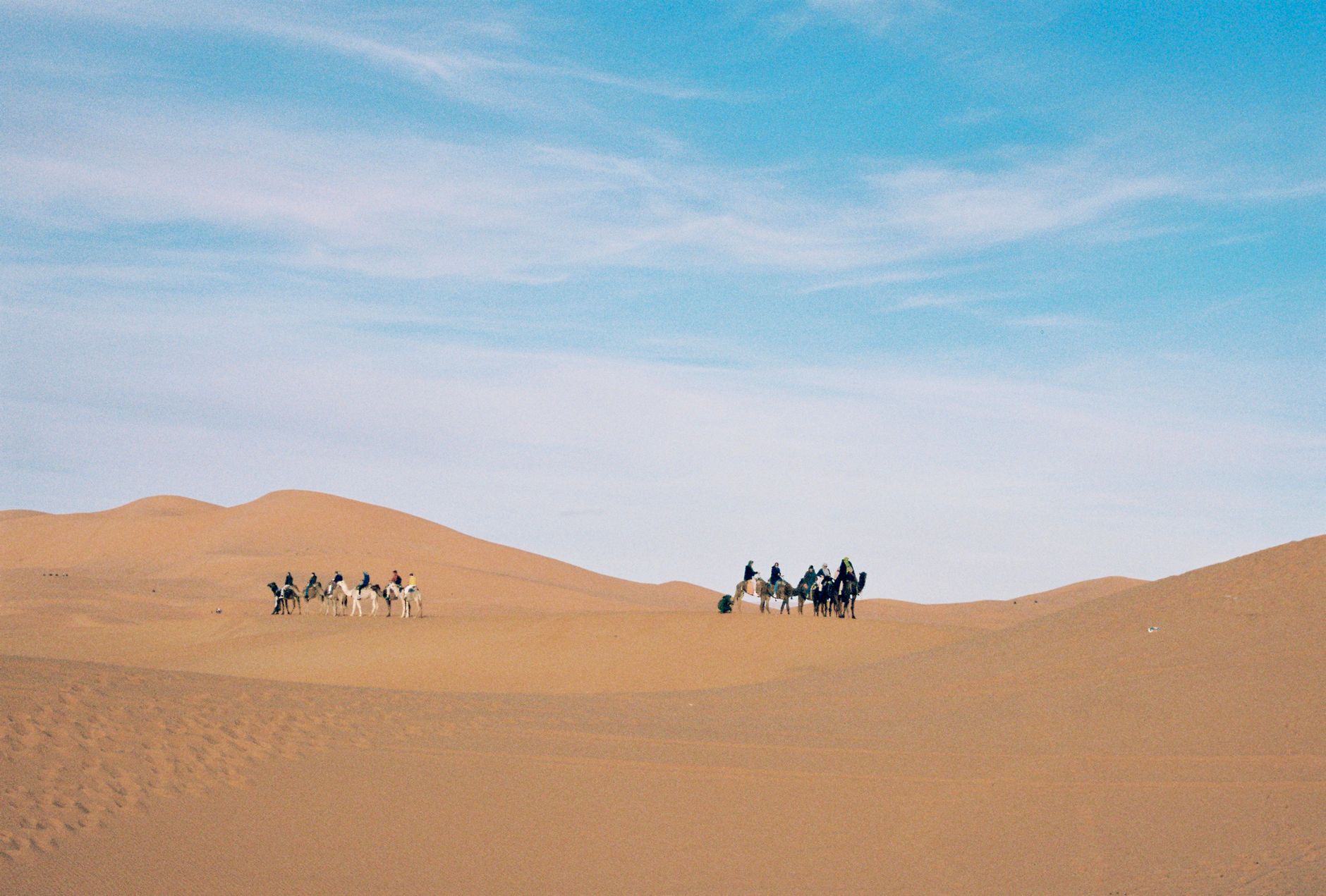
Morocco's Sahara, extending from Merzouga through the Dra Valley, presents towering sand dunes that can climb 150 m. The dunes shift with the wind, creating ridges that look different every sunrise. The Dra Valley, a stretch of desert near M’Hamid, is repeatedly described as one of the safest southern zones for tourists, and its golden sea of sand is what most guidebooks picture when they talk about “the Sahara”.
3. Night‑time experience and sleep comfort
In Agafay you’ll usually stay at a luxury camp or a boutique riad‑style lodge perched on a stone outcrop. The structures often have insulated canvas walls and raised platforms, so the night temperature—often dropping to 10 °C in winter—doesn’t feel bone‑chilling. Because the camp is so close to Marrakech, you can return to the city for a hot shower or a late‑night tagine if you prefer.
Sahara camps are set directly on the dunes, often in traditional Berber tents. The sand retains heat after sunset, but the wind can make it feel cooler than expected. Most operators provide double‑layered blankets and a small heater, yet you should still bring a warm fleece. Staying two nights in the Sahara, as recommended by seasoned travelers, lets you experience both a desert sunset and a sunrise without the rush of a single‑night schedule.
4. How much time you need to feel the desert
If you only have a weekend, Agafay gives you a genuine desert feel without sacrificing your other plans. A half‑day camel ride, a short hike, and a sunset dinner can be squeezed into a single day, leaving the evening free for Marrakech’s nightlife.
For the Sahara, a minimum of three nights is advisable. The first night lets you settle after the long drive, the second night offers a full dune‑hiking experience, and the third night provides a relaxed morning before you head back. Skipping the extra night often feels rushed and leaves you missing the subtle changes in light, best captured at sunrise when the light is soft.
5. Logistics: getting there and back
Agafay
- Transport – Private driver, petit taxi, or a shared 4×4 from Marrakech’s main square.
- Road – Paved, well‑marked, with occasional livestock crossing.
- Cash vs. card – Most camps accept both, but a small amount of cash (MAD 200–300) helps with tips for camel handlers.
Sahara
- Transport – Long‑distance CTM or Supratours bus from Marrakech to Ouarzazate, then a private 4×4 to Merzouga, or an ONCF train to Erfoud followed by a driver.
- Road – The N9 is paved; the R704 becomes a desert track with sand‑covered sections.
- Cash vs. card – ATMs disappear after the last town (Erfoud). Bring enough cash for meals, desert excursions and tip‑outs.
Never rely on ride‑hailing apps inside medinas; the streets are pedestrian‑only and the apps often mis‑route you.
6. Cost and budgeting considerations
Agafay is generally inexpensive compared with the Sahara because the travel leg is short and the camps are smaller. You’ll find a range from basic stone‑cabin style to upscale glamping, but even the pricier options remain cheaper than a multi‑day Sahara package that includes long‑distance transport, multiple nights of camping and camel rentals.
Choosing Tours Based on price alone frequently lands travelers in cramped camel rides and rushed schedules, especially in the Sahara where the cheapest offers often cut the night‑stay to a single evening. Look for operators that include at least two nights, a proper dinner and a guided dune hike.
7. Sample 2‑day Agafay itinerary
Day 1 – Marrakech to Agafay
- 08:00 – Depart Marrakech in a private 4×4; stop at a roadside tea stall for mint tea and a quick photo of the Atlas foothills.
- 09:30 – Arrive at the stone camp; check‑in, store luggage, and change into breathable layers.
- 11:00 – Guided 2‑hour walk across the granite field; the guide points out local thyme and the occasional desert fox track.
- 13:30 – Lunch of grilled sardines, couscous with roasted vegetables, and a fresh orange.
- 15:00 – Camel ride lasting 45 minutes; the camel’s slow gait lets you soak in the endless horizon.
- 18:30 – Sunset from a raised platform; the sun paints the stones pink, and the Atlas Mountains silhouette appears in the far background.
- 20:00 – Dinner under lantern light, followed by a traditional Gnawa music session.
Day 2 – Return to Marrakech
- 07:00 – Light breakfast; pack up.
- 08:00 – Optional sunrise photo walk; the early light reveals subtle colors on the stone surfaces.
- 10:00 – Depart for Marrakech; arrive by 11:00 am, giving you the afternoon to explore the souks or relax at a hammam.
8. Sample 3‑day Sahara itinerary
Day 1 – Marrakech → Ouarzazate → Merzouga
- 06:00 – Board a CTM bus from Marrakech’s main station; bring a sunhat and a reusable water bottle.
- 13:00 – Arrival in Ouarzazate; quick lunch of tagine with olives and flatbread.
- 14:30 – Private 4×4 departs for Merzouga; the drive passes the Kasbah Aït Ben Haddou (a UNESCO site) and the Draa River oasis.
- 20:00 – Check‑in at a desert camp near the dunes; enjoy a communal dinner of lamb mechoui and mint tea.
Day 2 – Full Sahara immersion
- 05:30 – Camel trek to the highest dune for sunrise; the light turns the sand from amber to gold in minutes.
- 08:00 – Return to camp for a hearty breakfast of fried eggs, olives and fresh bread.
- 10:00 – Guided 3‑hour sand‑boarding session; the guide provides safety gear and demonstrates proper posture.
- 13:00 – Lunch of harira soup and dates; afternoon free for a nap or a stroll around the camp’s palm grove.
- 17:30 – Sunset camel ride back to the camp; the sky deepens to violet, and the temperature drops noticeably.
- 20:00 – Night under the stars, with a Berber storyteller sharing legends of the Dra Valley.
Day 3 – Return to Marrakech
- 06:00 – Early breakfast; pack and say goodbye to the host family.
- 07:00 – 4×4 departs for Ouarzazate; stop at a roadside café for a quick mint tea.
- 13:00 – Bus from Ouarzazate back to Marrakech; arrive by 19:00 pm.
- 20:00 – Buffer evening in Marrakech; use this time to recover from the long drive before any flight.
9. Practical gear checklist (heat protection, scarf, etc.)
- Sun protection – High‑SPF sunscreen (minimum SPF 50), sunglasses with UV coating, and a wide‑brimmed sunhat. Heat protection mistakes often involve forgetting sunscreen, leading to painful burns on the sand.
- Light scarf – Alle Abroad lists a light scarf as essential for covering shoulders and cooling down after sunset; it also doubles as a modest cover for mosque courtyards.
- Layered clothing – Morning and evening temperatures can dip below 10 °C in winter; a fleece or light jacket is a must.
- Sturdy walking shoes – Closed‑toe shoes with good grip protect against hot sand and sharp stones.
- Reusable water bottle – Carry at least 2 L; refill at camp or at oasis stops.
- Cash – Small bills for tips, camel rides, and market purchases; ATMs disappear after Erfoud.
- Offline maps – Download the region on Google Maps or Maps.me before you leave Wi‑Fi; phone signal disappears in medinas, mountain passes and desert areas.
10. Safety, etiquette and cultural tips
- Mosque etiquette – Non‑Muslims cannot enter mosques in Morocco; the main exception is a guided tour of the Hassan II Mosque in Casablanca. When you pass a mosque, keep your voice low and avoid pointing.
- Dress modestly – Cover shoulders and knees; women should carry a