Day 1 – The Heart of the Medina
Morning: Koutoubia’s silhouette and the souk arteries
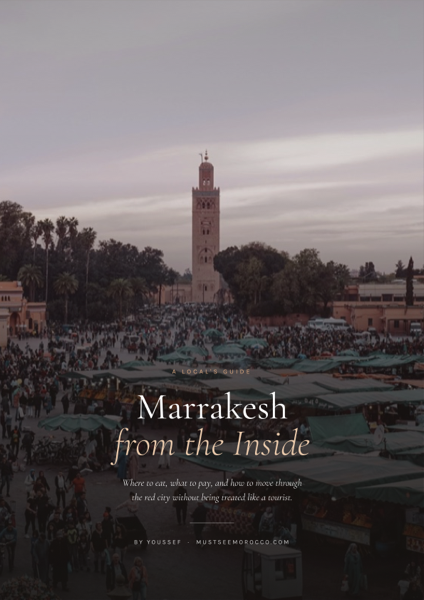
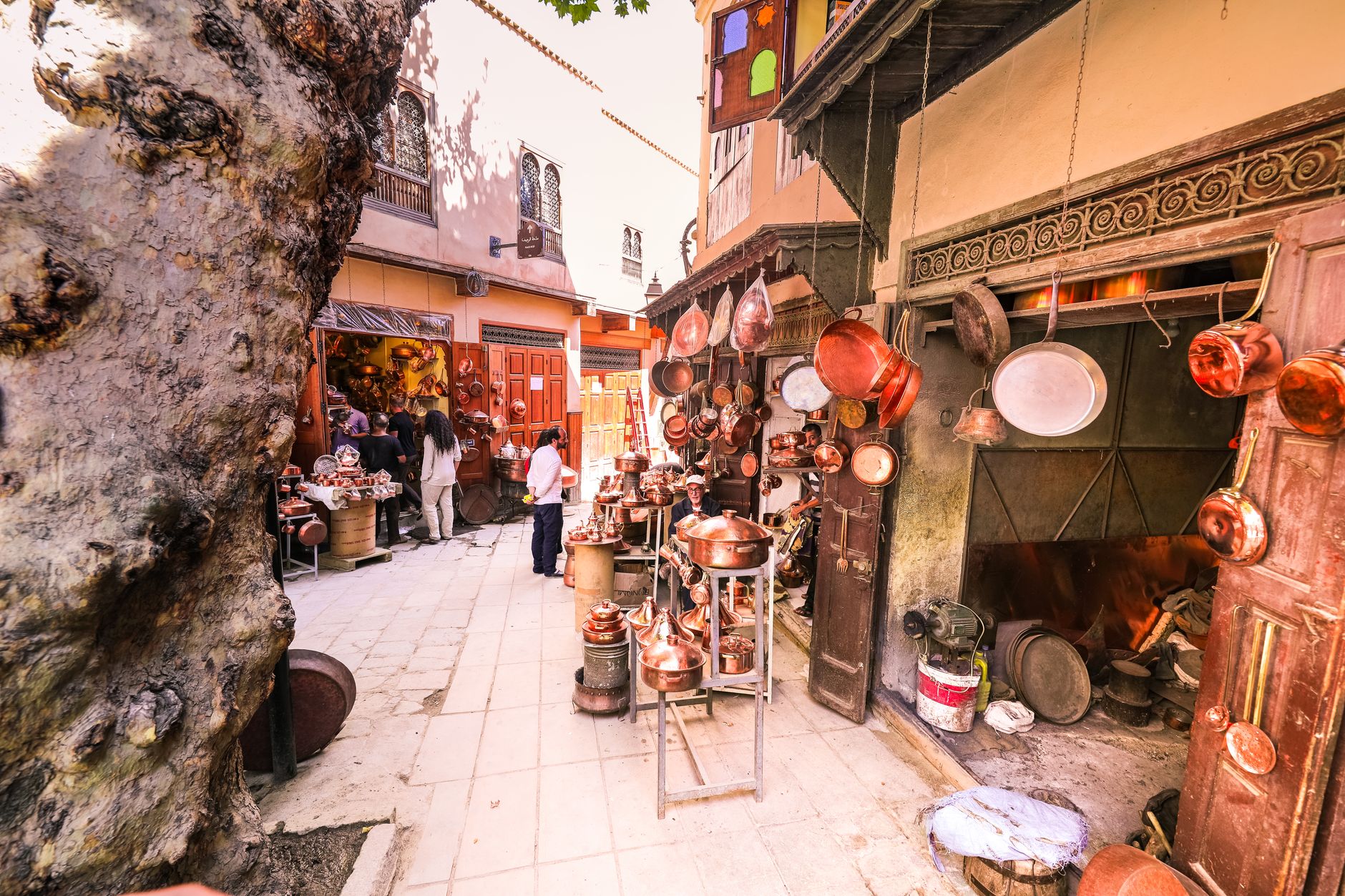
Start at the Koutoubia Mosque just after sunrise. The towering minaret catches the early light and makes a perfect photo backdrop. Remember that non‑Muslims are limited to the exterior and the surrounding garden; plan to linger on the stonework and snap the iconic arches. From there, drift into the nearby souk lanes. The market stalls open gradually, so you’ll avoid the mid‑day rush. Keep a handful of dirhams ready; most vendors prefer cash and will smile at a polite “salaam alikoum” before you haggle.
Mid‑day: Dar Si Said and the Musée de Marrakech
A short walk brings you to Dar Si Said, a former palace turned museum of Moroccan arts. Its carved cedar doors and intricate zellij tiles give a glimpse of 19th‑century craftsmanship. Continue to the Musée de Marrakech, housed in a 19th‑century mansion; the collection spans contemporary paintings to historic weaponry. Both sites open at 9 am and close in the early evening, so you have a comfortable window to explore without feeling rushed.
Lunch break: Street‑food strategy
Head toward the food stalls near Place Jemaa el‑Fna. Look for a grill serving méchoui (slow‑roasted lamb) and a stall with harira soup. Eat standing; the pace keeps you moving and you’ll taste the dish while it’s still hot. If you prefer a sit‑down option, the nearby Café des Épices offers a modest menu and a view of the busy square.
Afternoon: Le Jardin Secret and a local hammam
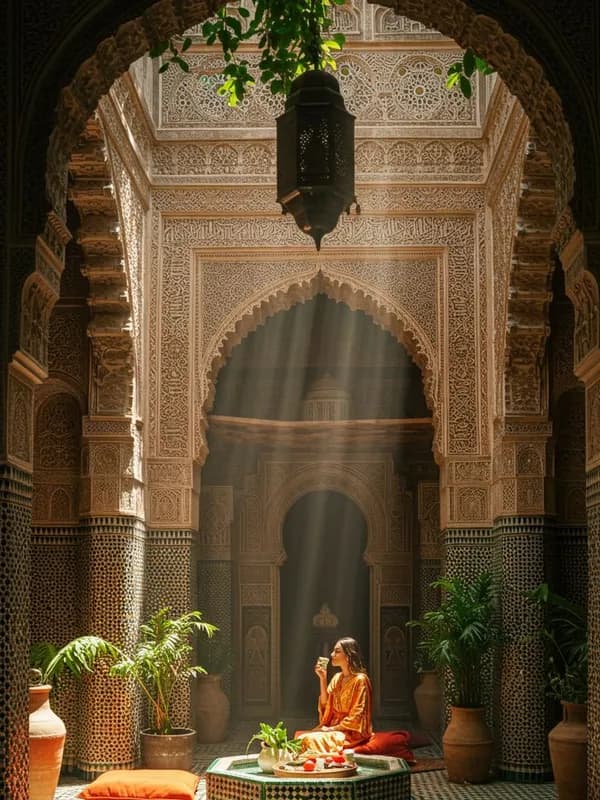
After lunch, walk to Le Jardin Secret, a restored 16th‑century garden tucked behind a quiet alley. The two‑level space combines Islamic geometry with exotic plants; early afternoon light highlights the water features. When you finish, treat yourself to a traditional hammam. Choose a neighborhood hammam—entry is inexpensive and the steam rooms are authentic. Tourist‑oriented spa hammams exist but charge a premium; the local version gives the same cleansing ritual without the extra cost.
Evening: Rooftop unwind at Riad Yasmine
Conclude day 1 with a short taxi ride to Riad Yasmine. Its rooftop terrace offers a panoramic view of the medina’s red walls as the sun dips. Order a mint tea and a small plate of briouats. The rooftop is a quiet spot for reflection after a day of walking; the breeze carries the distant call to prayer, reminding you of the city’s rhythm.
Day 2 – Palaces, Gardens, and Modern Art
Early start: Jardin Majorelle (book ahead)
Rise early and catch a petit taxi to Jardin Majorelle. The garden opens at 9 am, but the best chance to beat the crowd is to be there at opening time. Advance online booking is mandatory; the site releases slots a few weeks ahead, so secure your slot before you depart. Inside, the cobalt‑blue villa and the collection of exotic plants create a serene contrast to the city’s hustle.
Mid‑morning: Yves Saint‑Laurent Museum
Just a short walk from the Majorelle garden lies the Yves Saint‑Laurent Museum, opened in 2017. The museum celebrates the designer’s relationship with Morocco, displaying sketches, garments, and a reconstruction of his studio. Audio guides are available in several languages; take advantage of them to understand how the desert palette influenced his work.
Lunch: Riad la Caleche recommendation
Return toward the medina and stop at the courtyard restaurant of Riad la Caleche. Their tagine of preserved lemon and olives is a standout. The riad’s interior courtyard provides a cool refuge from the midday sun, and the staff can recommend a nearby souk stall for a quick pastry if you’re still hungry after lunch.
Afternoon: El Bahia Palace and Dar El Bacha
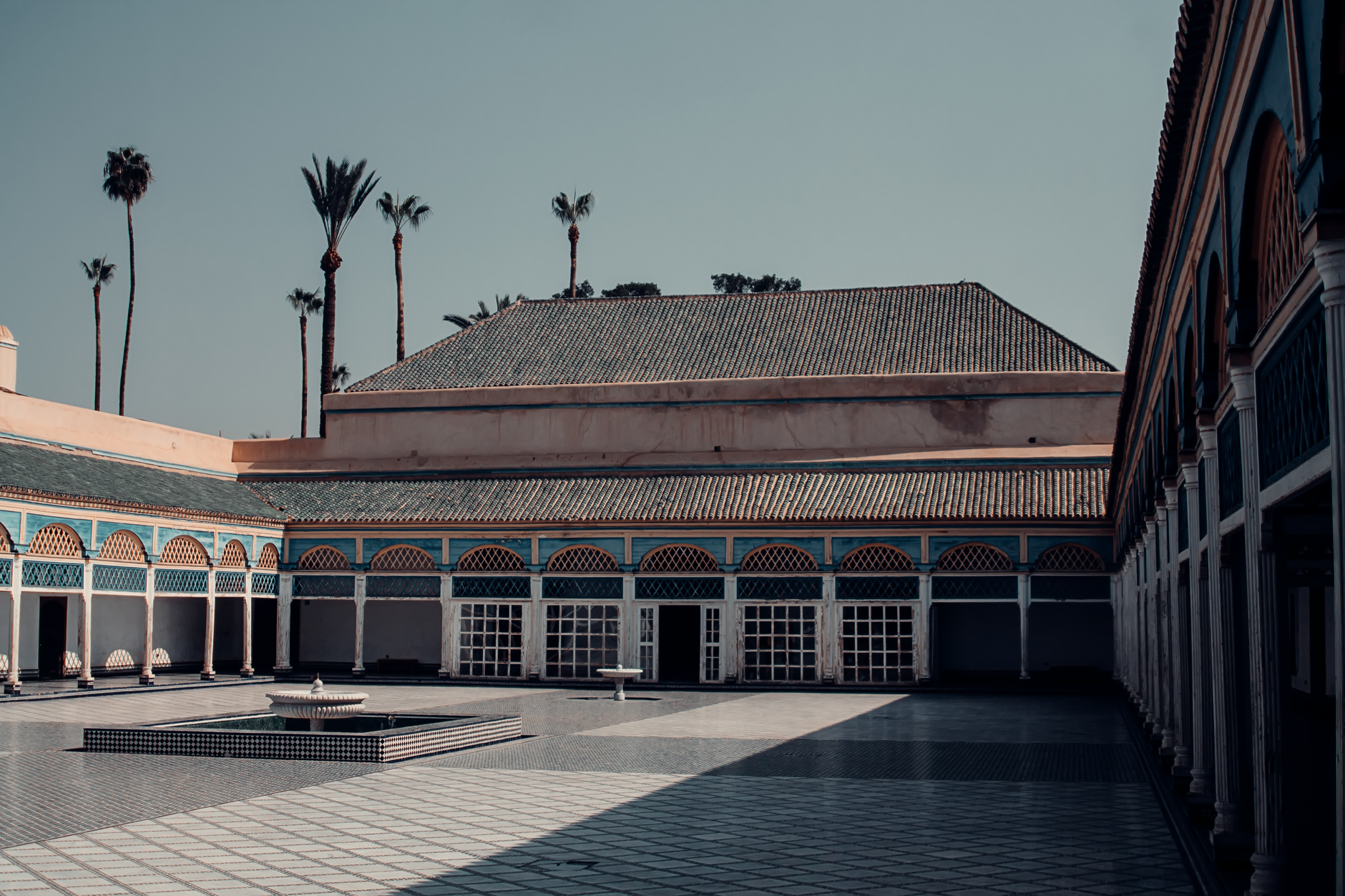
Proceed to El Bahia Palace, open from 08:00 to 17:00 daily. The palace’s marble courtyards and intricate stucco work are best appreciated in the soft light of the late afternoon. After exploring the palace, walk to Dar El Bacha, built in 1910 for the pacha Thami El Glaoui. Today it houses the Museum of Confluences; it opens Tuesday through Sunday and remains closed on Monday. The building’s blend of Art Deco and traditional Moroccan motifs makes it a compelling stop.
Evening: Dinner in the Kasbah district
Take a petit taxi to the Kasbah district. Choose a modest eatery that serves couscous tfaya (couscous with caramelized onions and raisins). The Kasbah’s quieter streets allow you to dine without the noise of the main square. After dinner, stroll back toward your accommodation, absorbing the evening scent of orange blossom that drifts from nearby gardens.
Day 3 – Contemporary Culture, Day‑Trip Options, and Farewell
Morning: Contemporary Marrakech at MACMA
Begin day 3 with a visit to the Musée de Marrakech. This venue showcases modern Moroccan photography and design. Arrive early to avoid the school groups that arrive after 10 am. The museum’s café serves a light breakfast of msmen (Moroccan pancakes) and fresh orange juice.
Mid‑day: Le Jardin Secret revisited + lunch at a local café
Return to Le Jardin Secret for a second look; the morning light accentuates the geometric mosaics, while the afternoon shadows reveal hidden niches. Nearby, a small café offers bastilla (sweet‑savory pigeon pastry). The portion size is modest, perfect for a light lunch before an afternoon excursion.
Afternoon option 1: Day‑trip to Ait Benhaddou (if you have a rental car)
If you have a car or a private driver, consider a 4‑hour drive south to Ait Benhaddou, the UNESCO‑listed ksar that has appeared in many films. The stone‑clad ramparts and narrow lanes provide a striking contrast to Marrakech’s red walls. Allocate at least half a day for the round‑trip; the road is scenic but winding, so leave early.
Afternoon option 2: Stay in Marrakech – Explore the modern Gueliz district
If you prefer to stay, cross the historic wall into Gueliz. This French‑influenced quarter hosts contemporary boutiques, art galleries, and a selection of cafés with Wi‑Fi. Walk along Avenue Mohammed V and stop at a pastry shop for a chebakia (sesame cookie) paired with a strong coffee.
Evening: Final night at a rooftop bar in Riad Dar Zaouia
Wrap up your Marrakech weekend with a rooftop drink at Riad Dar Zaouia. The terrace offers a sweeping view of the medina’s red rooftops under the night sky. Order a glass of Moroccan wine or a non‑alcoholic rose water lemonade. The gentle breeze and distant sounds of the square create a memorable farewell.
FAQ
How do I get from the airport to the medina without a ride‑hailing app?
Take the public bus that runs from the airport to the main bus station; it departs every half hour from 6:15 am to 9:15 pm. From the station, a petit taxi will bring you to your riad for a fixed fare that the driver should confirm before you board.
Can I visit the interior of Koutoubia Mosque as a non‑Muslim?
No. Non‑Muslims are limited to viewing the exterior and the surrounding garden. Respect the restriction and enjoy the architecture from the courtyard.
What’s the best time to book Jardin Majorelle tickets?
Online tickets become available a few weeks before the intended date. Book as soon as the calendar opens, especially for weekend slots, to guarantee entry.
Are credit cards accepted at most attractions?
Major museums and larger restaurants accept cards, but many small stalls and local hammams prefer cash. Carry enough dirhams for street purchases and tips.
Should I haggle at every market stall?
Haggling is expected in the souks. Start with a price about half of the initial ask, smile, and be prepared to walk away if the negotiation stalls.
Which hammam offers the most authentic experience for a low cost?
Neighborhood hammams, found in the medina’s side streets, charge a modest fee and provide the traditional steam, exfoliation, and massage sequence without the upscale frills of tourist‑oriented spas.
Is it safe to walk around Jemaa el‑Fna after dark?
The square remains lively after sunset, but keep your belongings close and avoid poorly lit side alleys. Stick to the main thoroughfare where street performers and food vendors keep the area populated.